
Ski Slope Difficulty Chart
Ski Slope Difficulty Chart - Generally speaking, these trails have a grade that is less than 25%. Web at most resorts, you'll find that about 25 percent of the trails are designated green, about 50 percent are blue, and about 25 percent are black. Web the coloured markings of the ski slopes represent the levels of difficulty combined with the average steepness of the slope. Web you will find a sign with the ski slope rating symbol at the top of every ski run. Green circle is the easiest slope you will find in. Web well, in the realm of skiing, there are three levels of difficulty: This difficulty is represented by a green circle, which signifies the easiest terrain on any given mountain. Web ski slopes are broken up into different difficulties and marked on the map using different colors. The system determines its difficulty level based on the. Probably like you said because it is way too dependent on conditions and, unlike climbing routes a ski run is not a set path with a very narrowly defined route. All beginners in north america will start on green circle trails. Web ski slopes are broken up into different difficulties and marked on the map using different colors. Web the north american system of slope levels uses a green circle, blue square and black diamonds to indicate the difficulty of a particular runs. Web different aspects of the terrain can significantly impact a slope’s rating, including gradient, steepness, width, and the presence of obstacles such as moguls,. But have you ever wondered what do these green, blue, red, or black markings mean?. Web you will find a sign with the ski slope rating symbol at the top of every ski run. The system determines its difficulty level based on the. Generally speaking, these trails have a grade that is less than 25%. Probably like you said because it is way too dependent on conditions and, unlike climbing routes a ski run is not a set path with a very narrowly defined route. For people unfamiliar with skiing we. Web trails marked as green are the easiest, blue is intermediate and black is hardest, with additional diamonds indicating extra challenge. There are three main categories: Probably like you said because it is way too dependent on conditions and, unlike climbing routes a ski run is not a set path with a very narrowly defined route. This difficulty is represented. Web ski slope levels are used to classify the difficulty of ski runs. Beginner level, intermediate level, and advanced level. Web trails marked as green are the easiest, blue is intermediate and black is hardest, with additional diamonds indicating extra challenge. Web the coloured markings of the ski slopes represent the levels of difficulty combined with the average steepness of. Web beginner skiers who have graduated from the bunny hill can venture to other areas of the mountain and find accessible runs that are usually wide (which makes for. Green circle, blue square, and black diamond, with increasing. I’ll tell you what each corresponding sign symbol means and point out the differences. But if a mountain is. Web the north. For people unfamiliar with skiing we. Green circle is the easiest slope you will find in. All beginners in north america will start on green circle trails. Web beginner skiers who have graduated from the bunny hill can venture to other areas of the mountain and find accessible runs that are usually wide (which makes for. Web understanding the different. For people unfamiliar with skiing we. Web trails marked as green are the easiest, blue is intermediate and black is hardest, with additional diamonds indicating extra challenge. Web the north american system of slope levels uses a green circle, blue square and black diamonds to indicate the difficulty of a particular runs. I’ll tell you what each corresponding sign symbol. Web you will find a sign with the ski slope rating symbol at the top of every ski run. There are three main categories: Web this post will explain the difference between all of the ski difficulty levels. Web at most resorts, you'll find that about 25 percent of the trails are designated green, about 50 percent are blue, and. Web understanding the different slope levels can help you avoid injuries, make the most of your time on the mountain, and have a blast. Web the ski slope signs indicating difficulty in north america, australia, and new zealand use a color and shape rating system. Web different aspects of the terrain can significantly impact a slope’s rating, including gradient, steepness,. Web beginner skiers who have graduated from the bunny hill can venture to other areas of the mountain and find accessible runs that are usually wide (which makes for. All beginners in north america will start on green circle trails. Green circle, blue square, and black diamond, with increasing. Whether you are a beginner or. Web this post will explain. Web the ski slope signs indicating difficulty in north america, australia, and new zealand use a color and shape rating system. Web well, in the realm of skiing, there are three levels of difficulty: Web you will find a sign with the ski slope rating symbol at the top of every ski run. Web understanding the different slope levels can. Web at most resorts, you'll find that about 25 percent of the trails are designated green, about 50 percent are blue, and about 25 percent are black. But if a mountain is. Web beginner skiers who have graduated from the bunny hill can venture to other areas of the mountain and find accessible runs that are usually wide (which makes. Web the coloured markings of the ski slopes represent the levels of difficulty combined with the average steepness of the slope. Web well, in the realm of skiing, there are three levels of difficulty: Web at most resorts, you'll find that about 25 percent of the trails are designated green, about 50 percent are blue, and about 25 percent are black. Probably like you said because it is way too dependent on conditions and, unlike climbing routes a ski run is not a set path with a very narrowly defined route. This difficulty is represented by a green circle, which signifies the easiest terrain on any given mountain. But have you ever wondered what do these green, blue, red, or black markings mean?. Beginner level, intermediate level, and advanced level. Web the difficulty level depends on various factors including how steep the slope is, whether it is groomed or whether it's got moguls, whether it has obstacles such as trees or rocks,. Web understanding the different slope levels can help you avoid injuries, make the most of your time on the mountain, and have a blast. Whether you are a beginner or. These runs consist of small inclines,. But if a mountain is. Web this post will explain the difference between all of the ski difficulty levels. For people unfamiliar with skiing we. All beginners in north america will start on green circle trails. Web the ski slope signs indicating difficulty in north america, australia, and new zealand use a color and shape rating system.
SKI LEVEL THE GUIDE TO IDENTIFYING YOUR ABILITIES
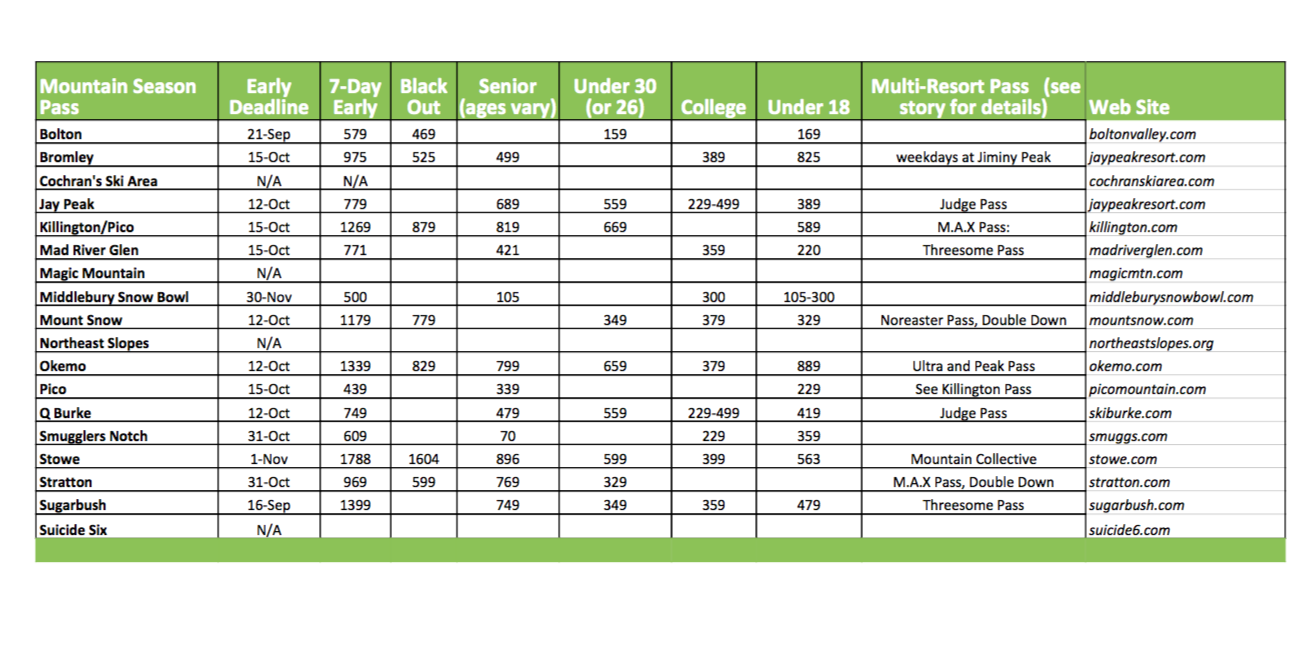
Ski Slope Difficulty Chart

European Ski Slope Difficulty Ratings Skiing, Travel and tourism

Ski Slope Ratings Explained
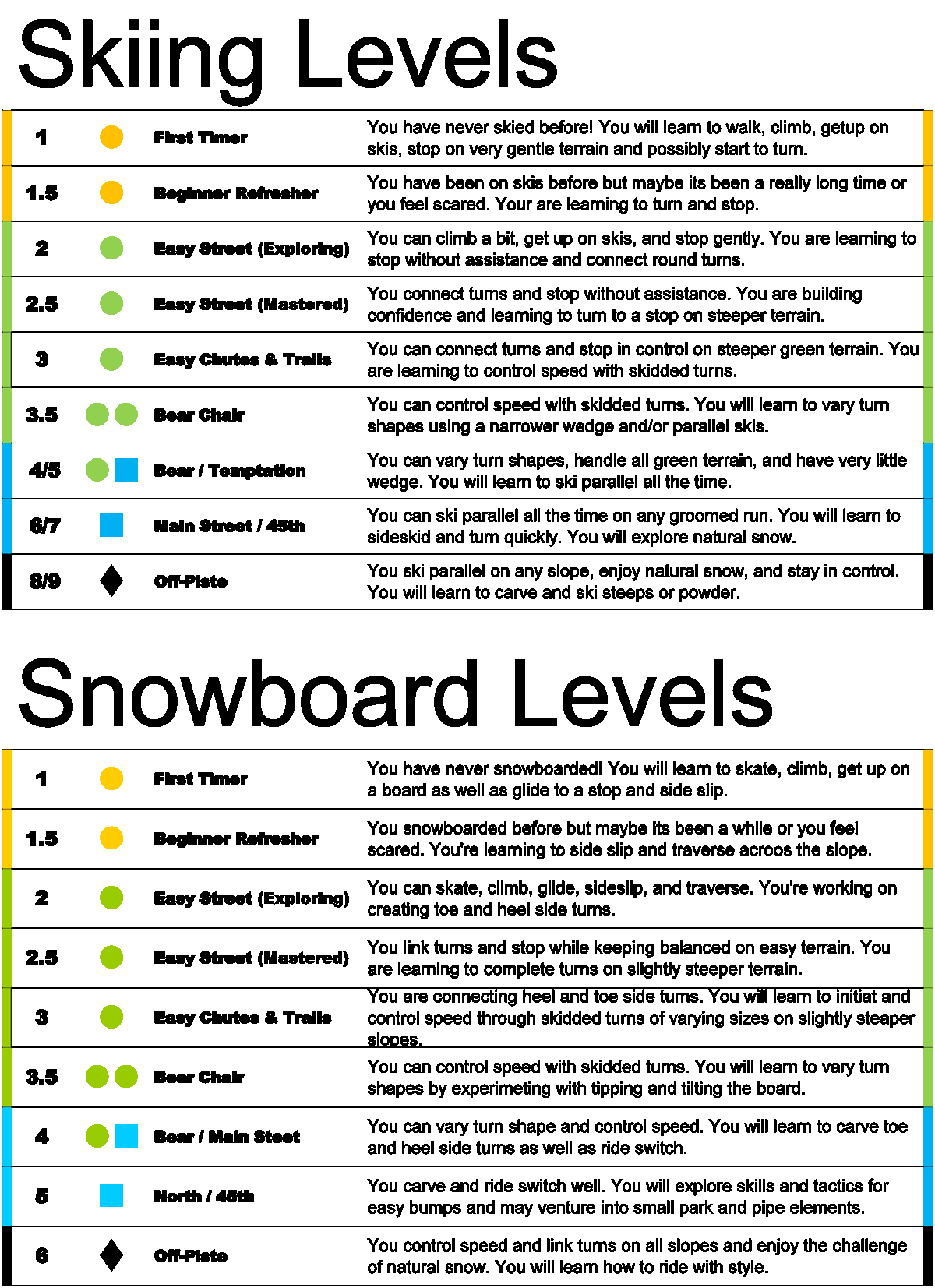
Level One
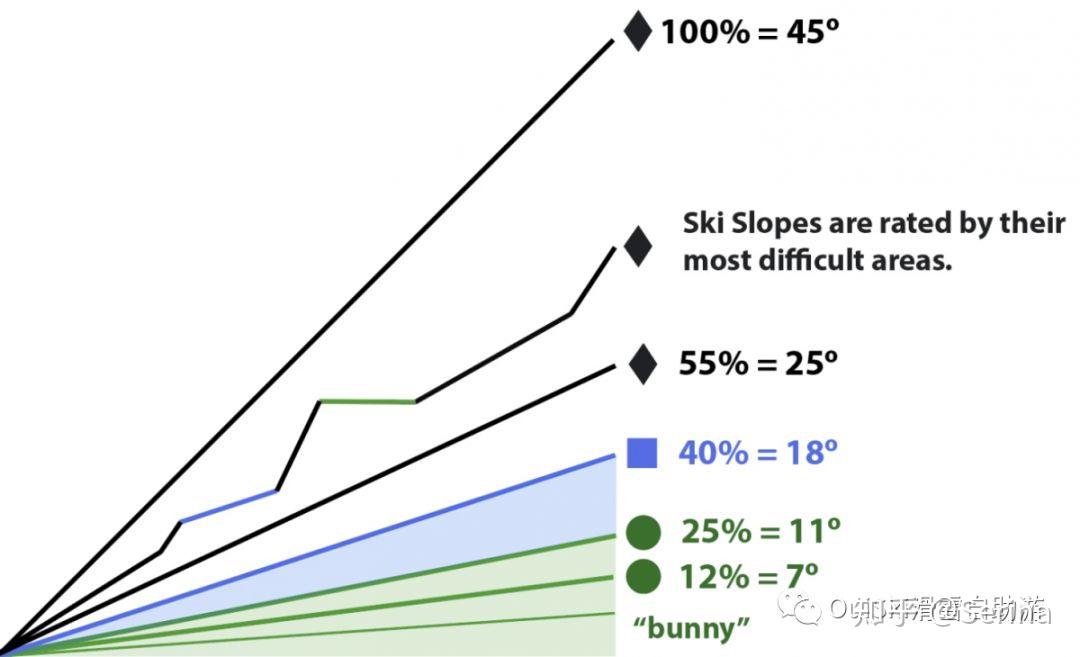
科普:各国的滑雪道难度等级 知乎

Ski lift manuals trail difficulty levels signs Vector Image
![[滑雪小知識]雪場路線 分級表 全面解析 欣傳媒XINMEDIA 最懂生活的咖](https://icrvb3jy.xinmedia.com/solomo/article/133/A0F3F91B-057D-DFEA-3F4E-B9C6489904FA.jpeg)
[滑雪小知識]雪場路線 分級表 全面解析 欣傳媒XINMEDIA 最懂生活的咖
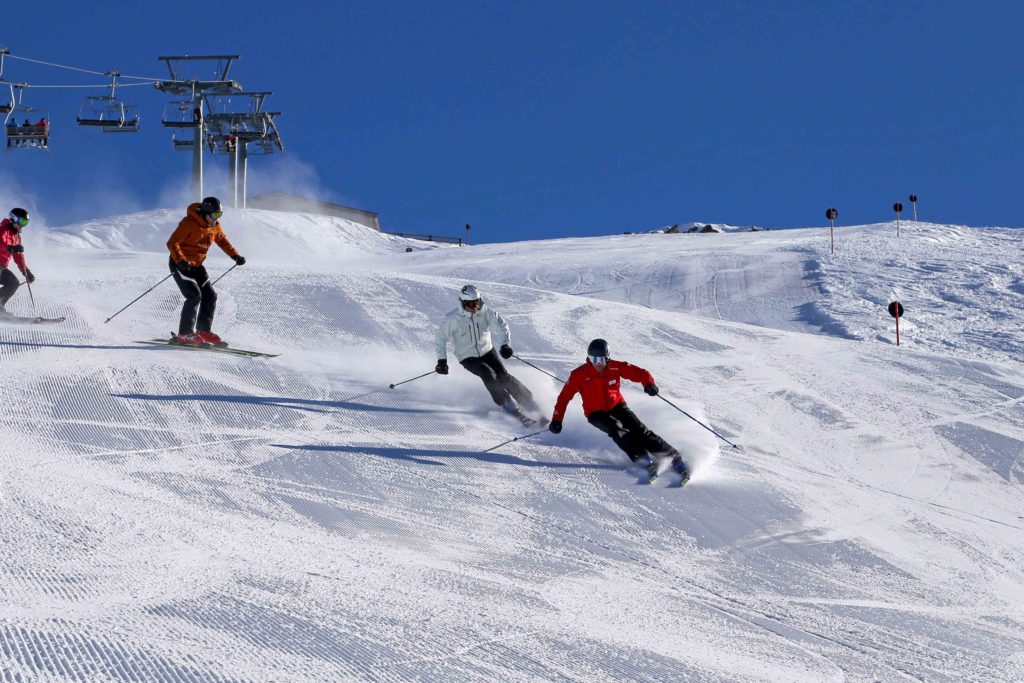
ski slope difficulty levels explained

Ski Slope Difficulty Chart
There Are Three Main Categories:
The System Determines Its Difficulty Level Based On The.
Web Beginner Skiers Who Have Graduated From The Bunny Hill Can Venture To Other Areas Of The Mountain And Find Accessible Runs That Are Usually Wide (Which Makes For.
The Ski Resorts Basically Determine Which.
Related Post: