Negative Harmony Chart
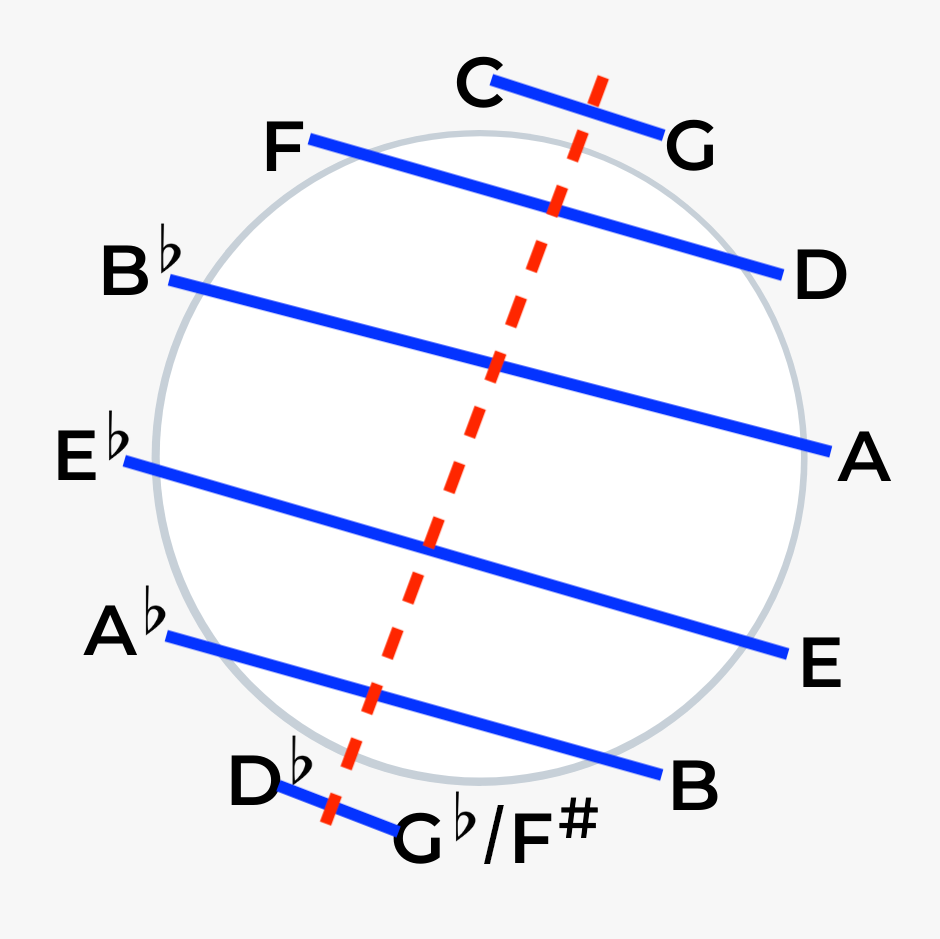
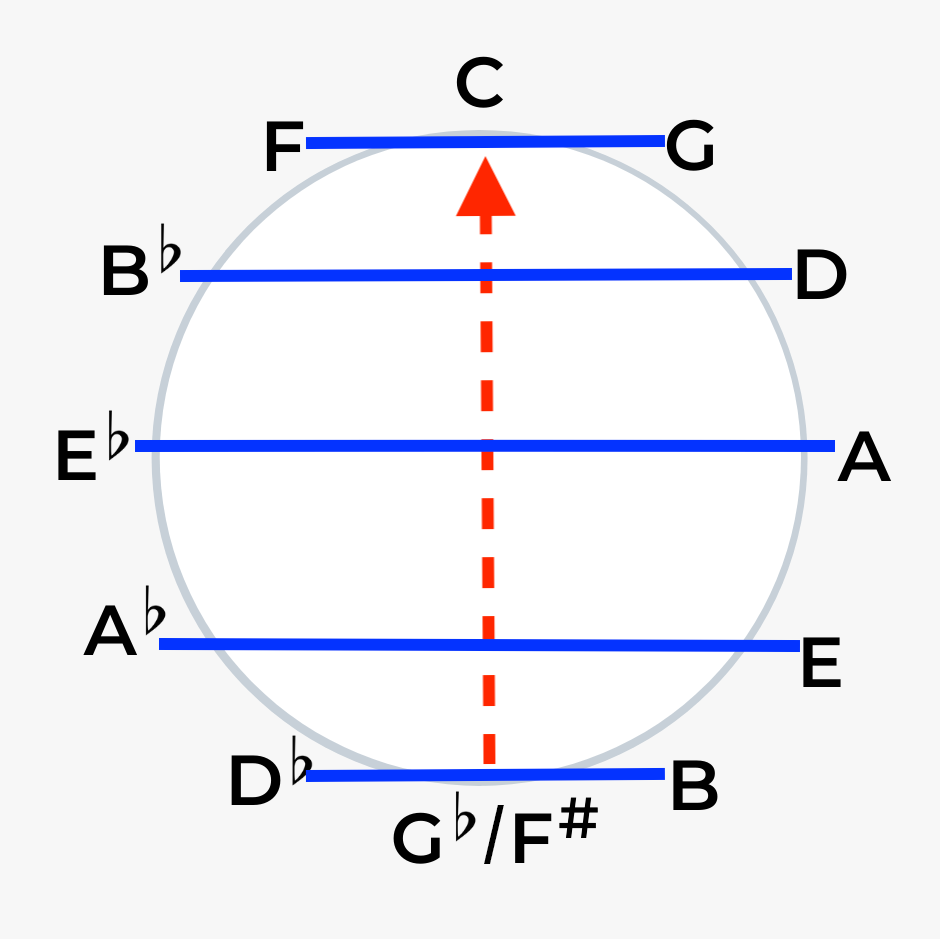
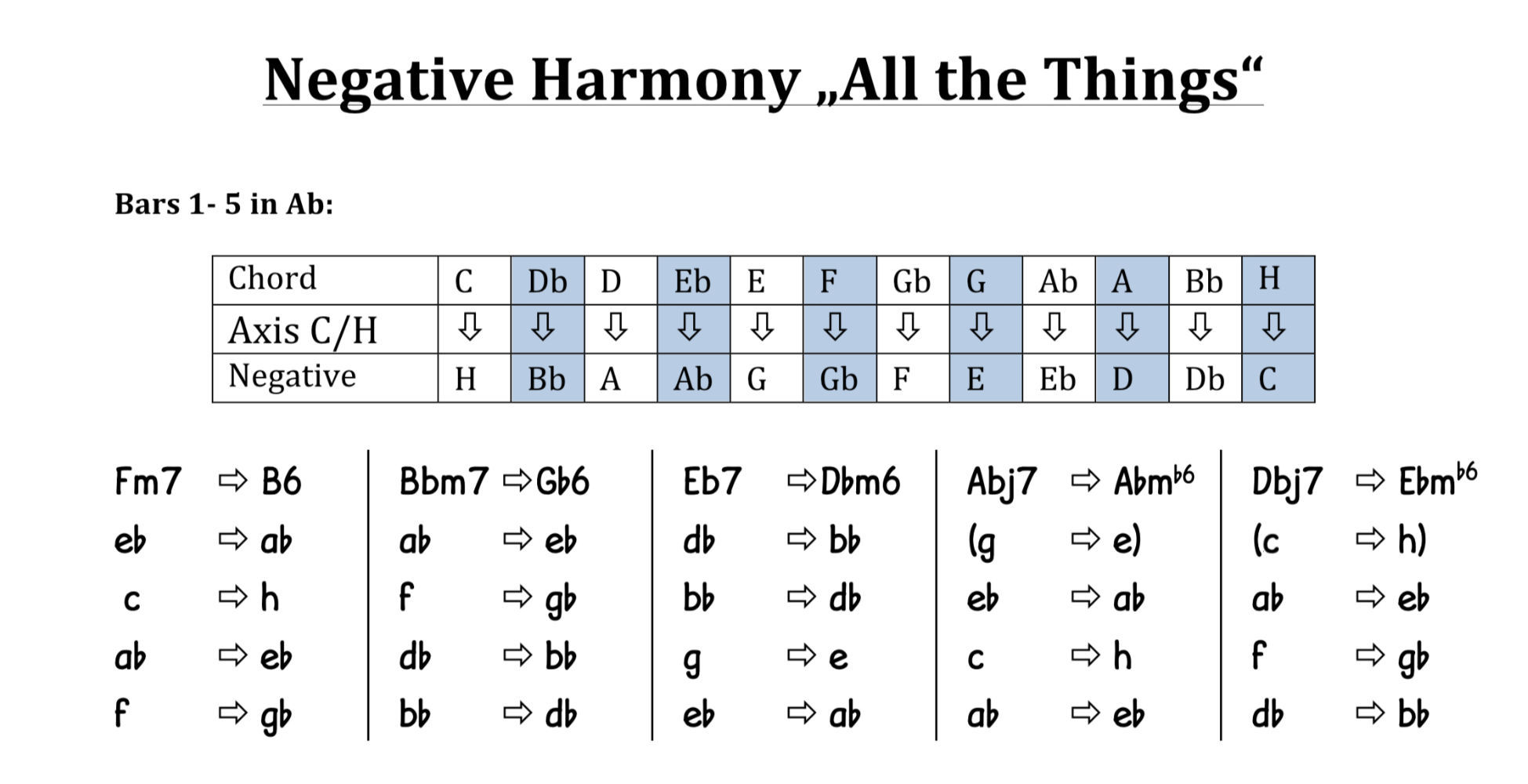
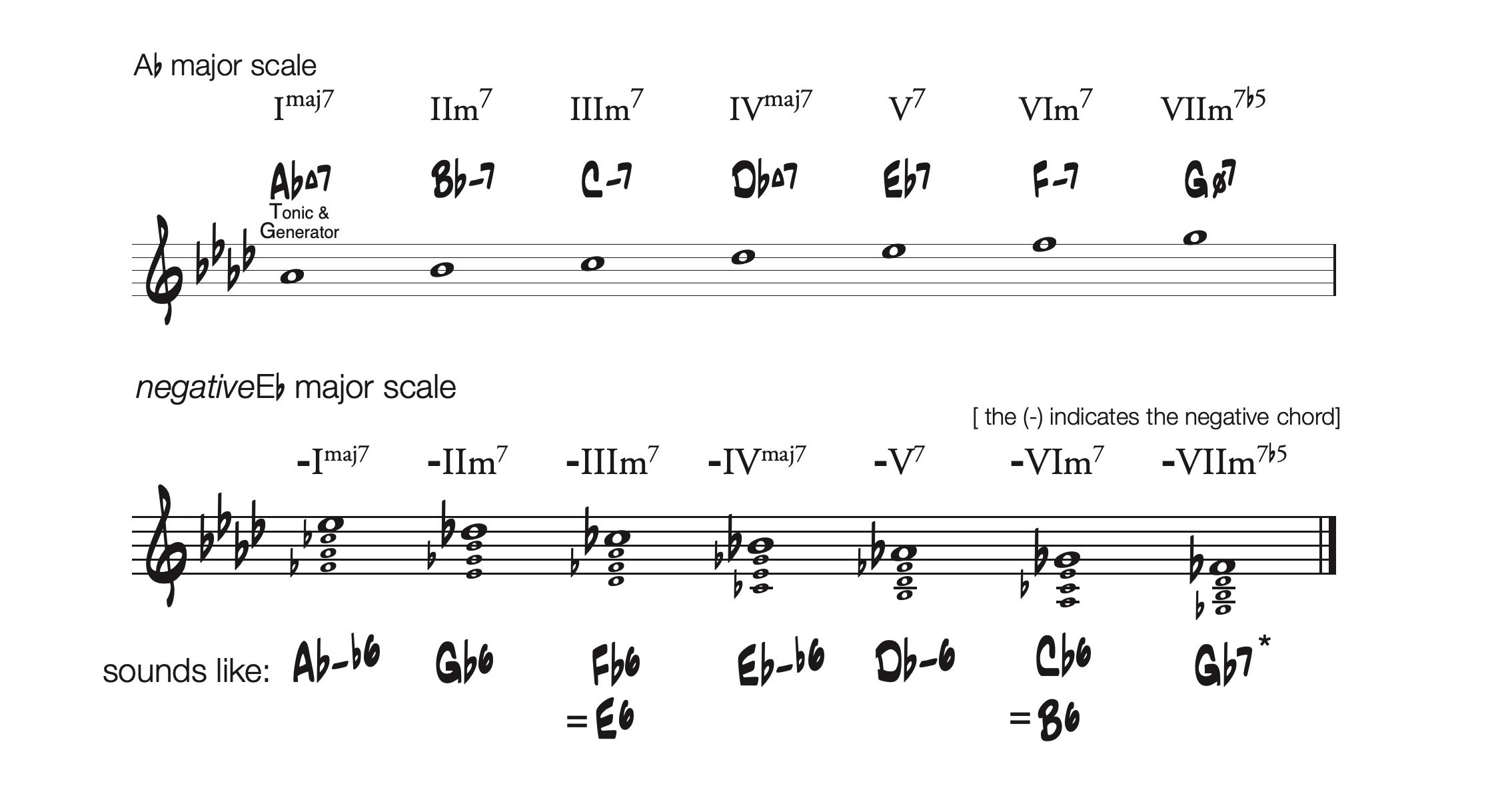
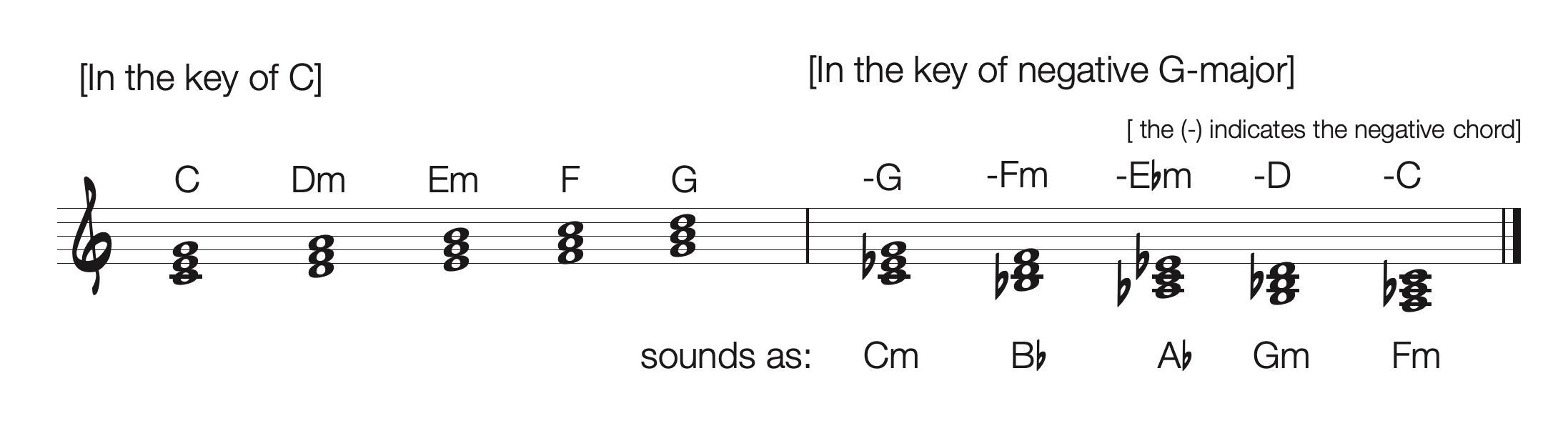
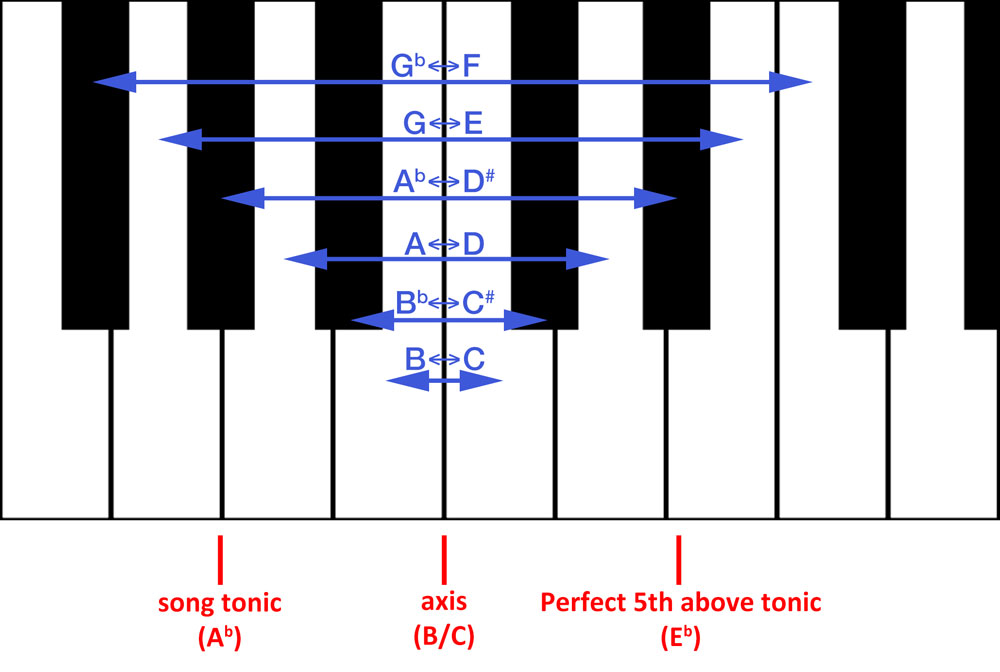
Negative Harmony Chart - In this video you will learn what negative harmony is, how it works, and how you can use it in your music. By flipping notes across this axis, one can create a negative harmony chart. Find the key of the tune you want to invert. Web negative harmony is an algorithm for inverting notes vertically. In the case of all the things you are, it’s ab major. Web negative harmony implies starting with a mode or scale, and then calculating its negative version. However, let’s first take a look at what the term harmony means and how it’s created. Web a negative harmony is a tool that musicians use to make interesting and unique improvisations. Determine the axis you’re going to use for the inversion. Web generate the negative harmony of any chord in a given key and learn about how negative harmony is calculated as well as it's history Web negative harmony chord chart. Web generate the negative harmony of any chord in a given key and learn about how negative harmony is calculated as well as it's history The original note is in the + note row. Web negative harmony inverts across a note halfway between the tonic and dominant (a quarter tone below the major third/above the minor third). Determine the axis you’re going to use for the inversion. Web negative harmony challenges traditional understandings of harmony. Web at the heart of negative harmony is the concept of an axis—a central point around which notes and chords are reflected to find their negative counterparts. And in the context of popular music these days, melody is far more important than harmony. However, let’s first take a look at what the term harmony means and how it’s created. You can find everything else in the video below. Web in terms of functional harmony, we would be converting a progression by fifths into a “negative” progression by fourths (a chain of plagal cadences) and still maintain the purpose of cadences, which is to reinforce or confirm the tonic or tonality. This will stay the same for the whole tune, even if the song temporarily modulates to another key.. Web negative harmony is a very simple concept that has been made unnecessarily complex. Select a scale or mode; Topics include the negative harmony scale, note mirrors, chord mirrors, negative harmony chord motion, shr. The original note is in the + note row. This turns out to be (arguably) useful for creating novel melodies with the same voice leading (just. Web this post will explore in depth exactly what negative harmony is, how it works, and how we can use it to further our own ideas of harmony and music in general. Web this document summarizes a blog about negative harmony, a musical concept where chord progressions follow the cycle of negative dominant chords rather than positive dominant chords. Web. Web in this video, we explore the concepts of mirror modal equivalents, musical palindromes, harmonic duality and negative harmony. Web negative harmony is a theoretical concept that suggests every scale has a negative mirror image (or upside down scale) from which chords and melodic notes can be substituted to equal harmonic/melodic significance. Find the key of the tune you want. Web negative harmony is an algorithm for inverting notes vertically. Web negative harmony implies starting with a mode or scale, and then calculating its negative version. This isn’t meant to provide an introduction to negative harmony (there are already great resources on that), but instead to provide a reference chart for composers trying to incorporate negative harmonic concepts into. A. Web negative harmony implies starting with a mode or scale, and then calculating its negative version. You can find everything else in the video below. Web use the negative note finder section to find a note's negative harmony equivalent note in that key. The original note is in the + note row. Find the key of the tune you want. This turns out to be (arguably) useful for creating novel melodies with the same voice leading (just reversed). Web in this video, we explore the concepts of mirror modal equivalents, musical palindromes, harmonic duality and negative harmony. Web negative harmony challenges traditional understandings of harmony. So, in a major key, i becomes i, v becomes iv, iii becomes bvi. In. And in the context of popular music these days, melody is far more important than harmony. Web in terms of functional harmony, we would be converting a progression by fifths into a “negative” progression by fourths (a chain of plagal cadences) and still maintain the purpose of cadences, which is to reinforce or confirm the tonic or tonality. Web this. A way of using negative harmony flavoured sounds is to only change special chords in the chart. This can been heard in most of today’s big hits, which focus all the attention on the vocal melodies and bass lines. Web negative harmony, at its core, is in fact a very simple idea that allows a musician to write interesting chord. Web in this video you'll learn about negative harmony. Web negative harmony is a very simple concept that has been made unnecessarily complex. That means the high notes become low and the low notes become high. The harmonic considerations he made (in his book 'a theory in harmony') are a part of the theoretical basis for this improvisational concept. You. Web negative harmony, at its core, is in fact a very simple idea that allows a musician to write interesting chord progressions. A chart of the common chords of tonal harmony and their negative harmony mirrors. Web use the negative note finder section to find a note's negative harmony equivalent note in that key. Use that root note as a reference point to draw a line across the circle of fifths, dividing it in two equal parts. This isn’t meant to provide an introduction to negative harmony (there are already great resources on that), but instead to provide a reference chart for composers trying to incorporate negative harmonic concepts into. Web in this video, we explore the concepts of mirror modal equivalents, musical palindromes, harmonic duality and negative harmony. This turns out to be (arguably) useful for creating novel melodies with the same voice leading (just reversed). In the case of all the things you are, it’s ab major. Web this document summarizes a blog about negative harmony, a musical concept where chord progressions follow the cycle of negative dominant chords rather than positive dominant chords. Web negative harmony challenges traditional understandings of harmony. Determine the axis you’re going to use for the inversion. Web in this video you'll learn about negative harmony. Web a negative harmony is a tool that musicians use to make interesting and unique improvisations. This will stay the same for the whole tune, even if the song temporarily modulates to another key. Find its root note in the circle of fifths. Learn how to approach negative harmony and improve your songwiritng skills.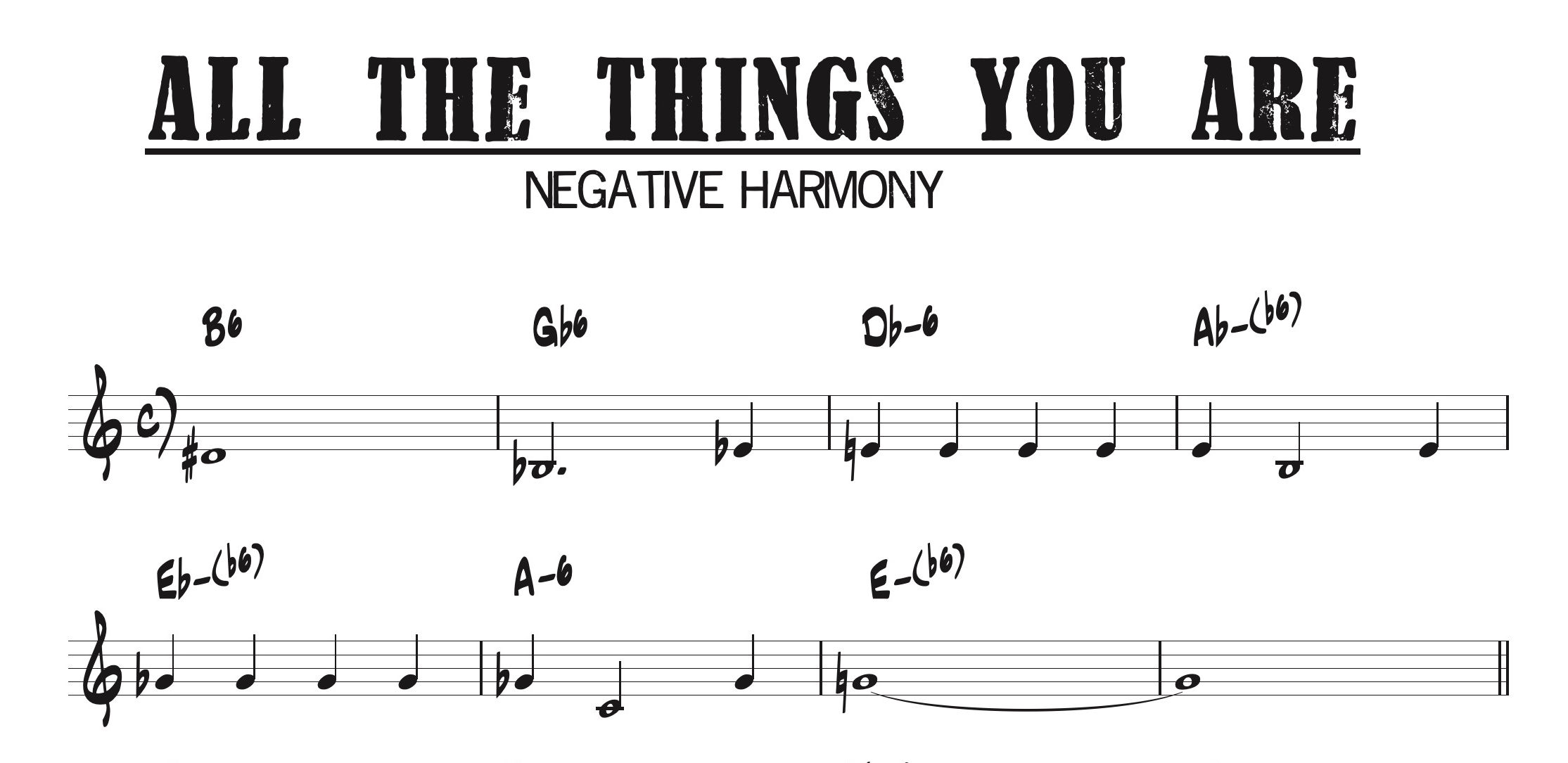
All about negative Harmony, harmonic concept by Ernst Levy
What Is Negative Harmony? Hello Music Theory

Negative Harmony What Is It? Musical Instrument Pro
All about negative Harmony, harmonic concept by Ernst Levy
What Is Negative Harmony? Hello Music Theory
Negative Harmony Chord Chart PDF Musicology Musical Compositions

How To Write Chord Progressions With NEGATIVE HARMONY [Simple
Short Facts about negative Harmony, harmonic concept by Ernst Levy
Short Facts about negative Harmony, harmonic concept by Ernst Levy
Negative Harmony a primer Dan Tepfer
Web Negative Harmony Is A Very Simple Concept That Has Been Made Unnecessarily Complex.
And In The Context Of Popular Music These Days, Melody Is Far More Important Than Harmony.
Web In This Video You Will Learn What Negative Harmony Is, How It Works, And How You Can Use It In Your Music.
Records Show That This Theory Started With Ernst Levy, A Swiss Musicologist, Pianist, Conductor, And Composer From 1895 To 1981.
Related Post: