
Nasopharyngeal Airway Size Chart
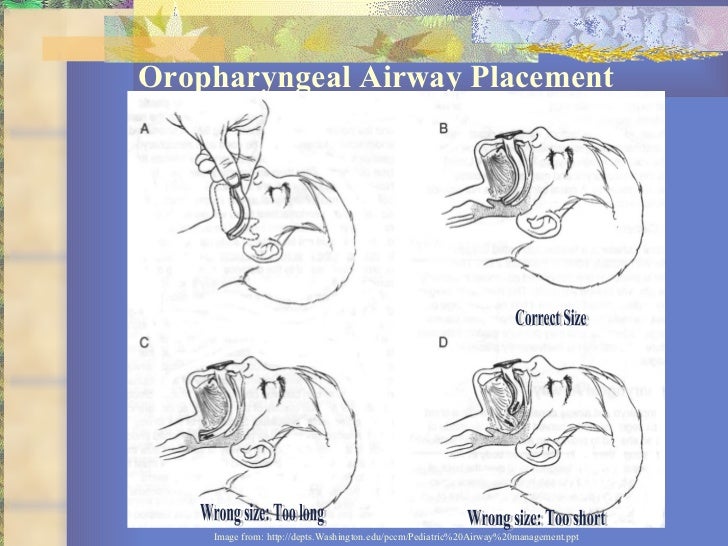
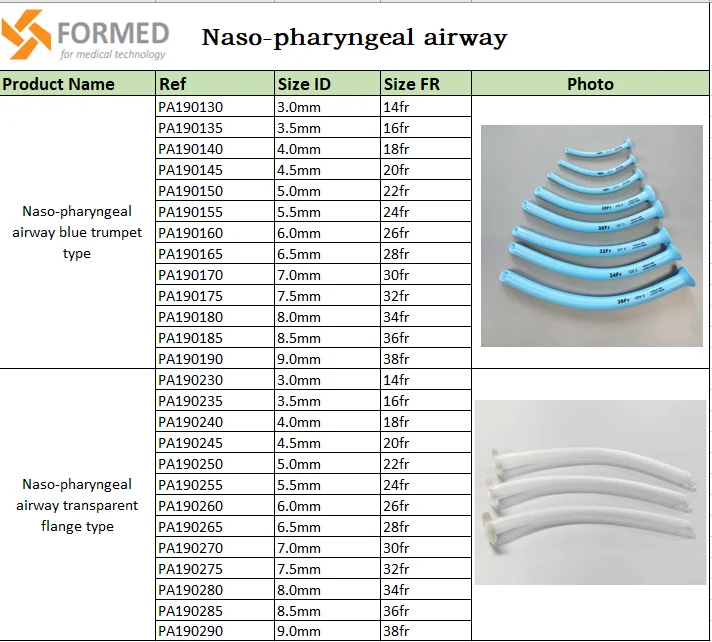
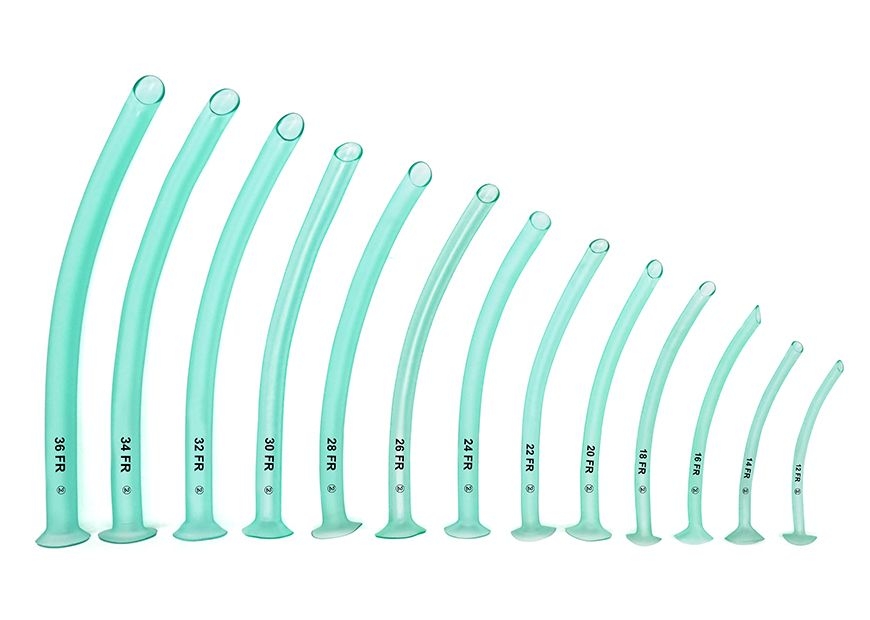
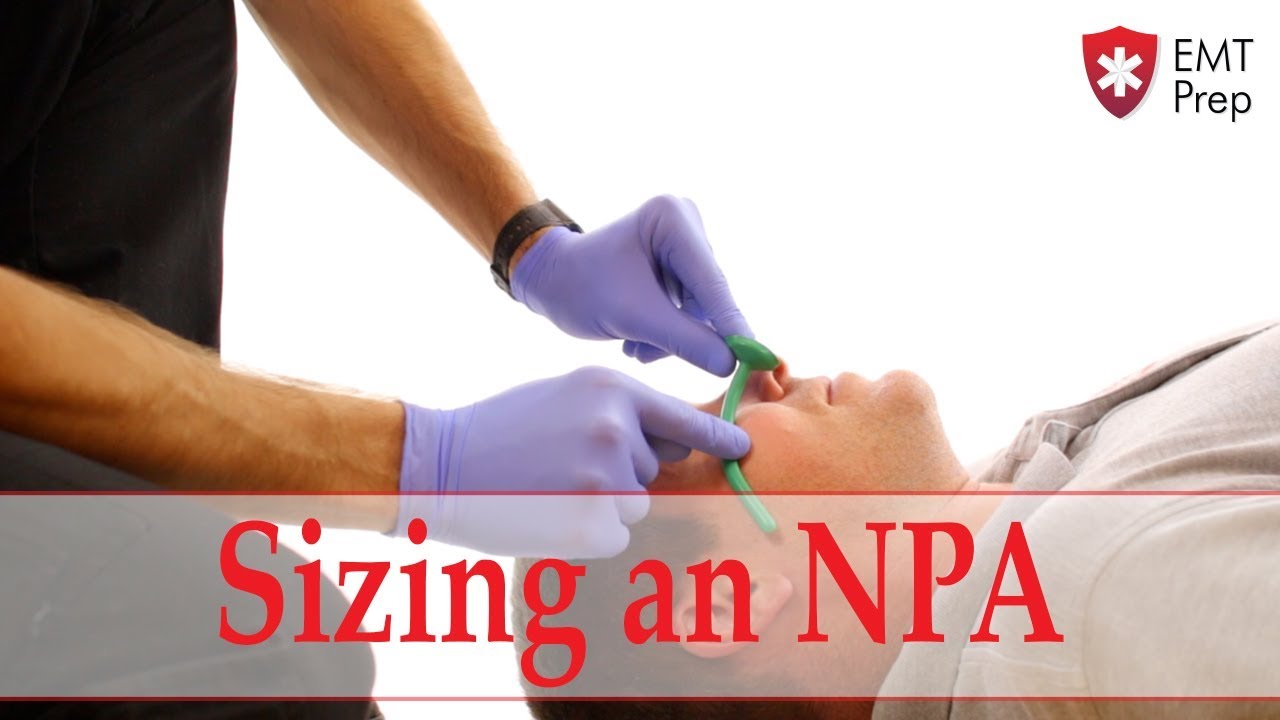
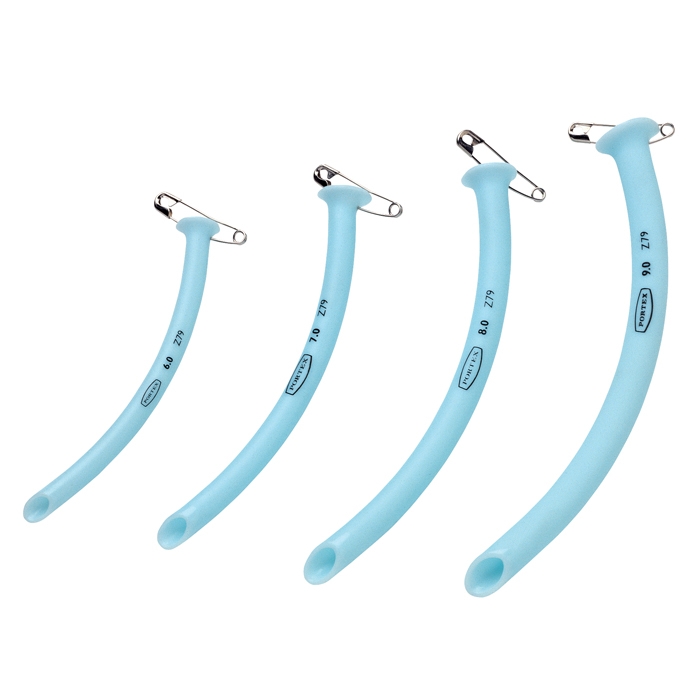
Nasopharyngeal Airway Size Chart - This may be due to fears over intracranial placement in cases of possible basal skull fracture. Web adult npa sizes range from 6 to 9 cm. To measure an appropriately sized nasopharyngeal airway, it is taught that the size is related to the patients little finger or nostril (anterior nares). Web • nasopharyngeal airways come in various sizes ranging from 12f to 36f. It has advantages over the oropharyngeal airway (opa) as it can be used in patients with an intact gag reflex, trismus or oral trauma. Web the appropriate airway size can be determined by measuring from the tip of the patient’s nose to the tragus of the ear (i.e. It has some advantages over the oropharyngeal airway (opa) but despite this it appears to be used less frequently. Average height females require a portex size 6 npa and average height males a size 7 portex npa. This study has been designed to identify whether these comparisons are valid. Children with craniofacial conditions may need a nasopharyngeal airway. Sized by measuring from the tip of the patient’s nose to the earlobe; Web the commonly used portex™ nasopharyngeal airways are described in terms of the internal diameter. It has advantages over the oropharyngeal airway (opa) as it can be used in patients with an intact gag reflex, trismus or oral trauma. To measure an appropriately sized nasopharyngeal airway, it is taught that the size is related to the patients little finger or nostril (anterior nares). The purpose of the npa is to bypass upper airway obstruction at the level of the nose, nasopharynx or base of the tongue. Web a nasopharyngeal airway (npa) is a thin, clear, flexible tube that is inserted into a patient’s nostril. Web choosing an appropriate size nasopharyngeal airway (npa) is essential to maintain airway patency and optimize ventilation while minimizing complications. Table 3 lists internal and external diameters of portex™ nasopharyngeal airways. Web adult npa sizes range from 6 to 9 cm. Web npa sizing and insertion. Web a nasopharyngeal airway (npa) is a thin, clear, flexible tube that is inserted into a patient’s nostril. How to insert an npa. To measure an appropriately sized nasopharyngeal airway, it is taught that the size is related to the patients little finger or nostril (anterior nares). If the npa is too long, decrease the size. To measure an appropriately. This study has been designed to identify whether these comparisons are valid. 6.5 mm/28fr, 7.0 mm/30fr, 7.5 mm/32fr, 8.0 mm/34fr, and 8.5 mm/36fr. • a shortened tracheal tube may be used as a nasopharyngeal airway. This may be due to fears over intracranial placement in cases of possible basal skull fracture. Web choosing an appropriate size nasopharyngeal airway (npa) is. Web the commonly used portex™ nasopharyngeal airways are described in terms of the internal diameter. How to insert an npa. Web the appropriate airway size can be determined by measuring from the tip of the patient’s nose to the tragus of the ear (i.e. When held against the side of the face, a correctly sized airway will extend from the. Web ideal npa length measured at nasal endoscopy correlates with subject height, this is independent of subject sex, and is a far more accurate determinant and easy to use in the clinical setting. Web a nasopharyngeal airway (npa) is an airway adjunct consisting of a hollow plastic tube designed to stent the nose and nasopharynx. Web using a fibreoptic laryngoscope. This study has been designed to identify whether these comparisons are valid. Web adult npa sizes range from 6 to 9 cm. Web a nasopharyngeal airway (npa) is an airway adjunct consisting of a hollow plastic tube designed to stent the nose and nasopharynx. Sizes 6 to 7 cm should be considered in adults with a small physique. Web the. Web a nasopharyngeal airway is a small, plastic tube that keeps your child’s nostrils open, allowing them to breathe more easily. The width of the tube should be no wider than the patient’s little finger. Web choosing an appropriate size nasopharyngeal airway (npa) is essential to maintain airway patency and optimize ventilation while minimizing complications. Web the nasopharyngeal airway (npa). Web choosing an appropriate size nasopharyngeal airway (npa) is essential to maintain airway patency and optimize ventilation while minimizing complications. To find the correct size, measure with the estimated npa from tip of the nose to the tragus of the ear. If the npa is too long, decrease the size. For instance, bai et al. Average height females require a. Web nasopharyngeal airways features and advantages: Those from nares to epiglottis were 159 mm (sd 12) in males and 140 mm (sd 11) in females. • a shortened tracheal tube may be used as a nasopharyngeal airway. As with other catheters, npas are measured using the french catheter scale, but sizes are usually also quoted in millimeters. Soft airway =. How to insert an npa. To measure an appropriately sized nasopharyngeal airway, it is taught that the size is related to the patients little finger or nostril (anterior nares). Web soft, flexible anatomically designed airway adjunct; Depending on the level of the obstruction the npa will terminate in the nasopharynx, oropharynx or hypopharynx. Web ideal npa length measured at nasal. It has some advantages over the oropharyngeal airway (opa) but despite this it appears to be used less frequently. Web airway epithelial cells play a pivotal role in research focused on understanding the regulatory mechanisms of airway mucosa barrier functions and respiratory infections in cattle (14, 15). Web the appropriate airway size can be determined by measuring from the tip. Soft airway = measure ‘soft to soft’). If it is too short, increase the size. Web airway epithelial cells play a pivotal role in research focused on understanding the regulatory mechanisms of airway mucosa barrier functions and respiratory infections in cattle (14, 15). How to insert an npa. Web using a fibreoptic laryngoscope mean distances from nares to larynx were measured at 209 mm (sd 11) in males and 180 mm (sd 11) in females; Web nasopharyngeal airways can be used in some settings where oropharyngeal airways cannot, eg, oral trauma or trismus (restriction of mouth opening including spasm of muscles of mastication). For instance, bai et al. Sized by measuring from the tip of the patient’s nose to the earlobe; Web nasopharyngeal airways features and advantages: Web choosing an appropriate size nasopharyngeal airway (npa) is essential to maintain airway patency and optimize ventilation while minimizing complications. Web the nasopharyngeal airway (npa) is a simple airway adjunct used by various healthcare professionals. 6.5 mm/28fr, 7.0 mm/30fr, 7.5 mm/32fr, 8.0 mm/34fr, and 8.5 mm/36fr. Web adult npa sizes range from 6 to 9 cm. Web npa sizing and insertion. Web a nasopharyngeal airway (npa) is a thin, clear, flexible tube that is inserted into a patient’s nostril. To measure an appropriately sized nasopharyngeal airway, it is taught that the size is related to the patients little finger or nostril (anterior nares).
Nasopharyngeal Airway Measurement
Pediatric Nasopharyngeal Airway Size Chart

Nasopharyngeal Airway Adjunct
Pediatric Nasopharyngeal Airway Size Chart
Pediatric Nasopharyngeal Airway Size Chart

Nasopharyngeal Airway (NPA) Henso Medical

Pediatric Nasopharyngeal Airway Size Chart

Nasopharyngeal Airway Size Measurement Measure from tip of nose to
Nasopharyngeal Airway Sizes
Oropharyngeal Airway Size Chart
Web Npas Come In Sizes From 3.0 To 9.0 In Increments Of 0.5.
Web Ideal Npa Length Measured At Nasal Endoscopy Correlates With Subject Height, This Is Independent Of Subject Sex, And Is A Far More Accurate Determinant And Easy To Use In The Clinical Setting.
It Has Some Advantages Over The Oropharyngeal Airway (Opa) But Despite This It Appears To Be Used Less Frequently.
This May Be Due To Fears Over Intracranial Placement In Cases Of Possible Basal Skull Fracture.
Related Post: