
Binaural Beats Frequencies Chart
Binaural Beats Frequencies Chart - Web binaural beats are a form of auditory beat stimulation in which two tones, varying slightly in frequency, are played into each ear, producing an auditory illusion of a third tone. However, it can also increase anxiety at. Web when you listen to binaural beats, your brain activity matches the frequency set by the frequency of the beat. Transformation & miracles, repairing dna. Web binaural beats are auditory illusions created when two slightly different frequencies are played separately in each ear. This third tone is called a binaural beat. If the tone in one ear is 400hz and the. Web binaural beats frequency guide. Figure 1 shows two sine waves (one of the simplest forms of sound waves) that are perfectly “in phase”. Web binaural beats work when two different frequencies are heard, one in each ear. Web binaural beats frequency guide. The difference between the two tones determines whether delta, theta, alpha, beta or gamma waves are produced in the brain as the medium frequency [2]. Web this vocal note scale (do, re, mi, fa, so, la ,ti, do) is known as solfege and is adapted from an invention by an 11th century monk named guido d'arezzo. Web binaural beats are subtle sounds or acoustic beats that can decrease stress and depression while increasing focus and creativity. This frequency range may help promote concentration and alertness. Figure 1 shows two sine waves (one of the simplest forms of sound waves) that are perfectly “in phase”. You can generate these frequencies and many more with our audio frequency signal generator mobile app, a free mobile tool for generating and recording binaural frequencies. Web binaural beats use two tones at different frequencies in each ear. A 2020 study by walter staiano, rewire’s chief scientific officer, showed that binaural beats reduce the negative effect of mental fatigue. This brainwave frequency chart explains gamma, beta, alpha, theta, and delta waves. Web binaural beats are a form of auditory beat stimulation in which two tones, varying slightly in frequency, are played into each ear, producing an auditory illusion of a third tone. Web this vocal note scale (do, re, mi, fa, so, la ,ti, do) is known as solfege and is adapted from an invention by an 11th century monk named. Binaural beats of certain frequencies have a modest, positive effect on memory, attention, pain perception, and relaxation. The brain identifies the beat and creates an additional tone. Web in a nutshell, a binaural beat is a frequency that is created by the brain after hearing two different frequencies (measured in hertz), one of which is sent to the left ear. Web the optimum difference in inductive tones should be between a minimum of 2 hertz and a maximum of 35 hertz, and the optimum frequency should be between 400 and 500 hertz. Web in order to produce a binaural beat, the two tones sounded in the ears must both have frequencies below 1,500 hz with a difference of no greater. This third tone is called a binaural beat. If you remove one of the sounds, you no longer will hear a binaural beat. However, it can also increase anxiety at. Web in order to produce a binaural beat, the two tones sounded in the ears must both have frequencies below 1,500 hz with a difference of no greater than 40. This brainwave frequency chart explains gamma, beta, alpha, theta, and delta waves. Here's how to use them. This means you can use binaural. Web in a nutshell, a binaural beat is a frequency that is created by the brain after hearing two different frequencies (measured in hertz), one of which is sent to the left ear and the other to. Web when you listen to binaural beats, your brain activity matches the frequency set by the frequency of the beat. This third tone is called a binaural beat. The two waves represent the left and right channels of a stereo signal, and we say. Web here’s a list of interesting audio frequencies and binaural beats, including audio samples and descriptions. The difference between the two tones determines whether delta, theta, alpha, beta or gamma waves are produced in the brain as the medium frequency [2]. Web in order to produce a binaural beat, the two tones sounded in the ears must both have frequencies below 1,500 hz with a difference of no greater than 40 hz between them. This frequency. This third tone is called a binaural beat. The difference between the two tones determines whether delta, theta, alpha, beta or gamma waves are produced in the brain as the medium frequency [2]. Web in order to produce a binaural beat, the two tones sounded in the ears must both have frequencies below 1,500 hz with a difference of no. Upon receiving the two different frequencies to the left and right ears, the brain responds by interpreting the two frequencies as one consistent, rhythmic sound frequency, known as a binaural beat(s). The brain identifies the beat and creates an additional tone. Learn how they could make it easier for you to relax, sleep, and meditate. This third tone is called. Two tones of slightly different frequencies are presented separately to each ear. Web binaural beats are a form of auditory beat stimulation in which two tones, varying slightly in frequency, are played into each ear, producing an auditory illusion of a third tone. Binaural beats of certain frequencies have a modest, positive effect on memory, attention, pain perception, and relaxation.. Web binaural beats are subtle sounds or acoustic beats that can decrease stress and depression while increasing focus and creativity. If the tone in one ear is 400hz and the. Web when you play a tone with a slightly different frequency into your left and right ear — say, 200 hertz (hz) in one and 210 hz in the other — they travel separately to your inferior. Binaural beats of certain frequencies have a modest, positive effect on memory, attention, pain perception, and relaxation. Web explore the different brainwave frequencies of consciousness. Web binaural beats frequency guide. Learn how they could make it easier for you to relax, sleep, and meditate. The brain identifies the beat and creates an additional tone. Web choose a binaural beats frequency geared for focus and concentration. Relationship, connecting with spiritual family. Figure 1 shows two sine waves (one of the simplest forms of sound waves) that are perfectly “in phase”. Web when you listen to binaural beats, your brain activity matches the frequency set by the frequency of the beat. This creates a third tone, the binaural beat, whose frequency is the difference between the two other tones, e.g. Web binaural beats use two tones at different frequencies in each ear. This frequency range may help promote concentration and alertness. Two tones of slightly different frequencies are presented separately to each ear.
Binaural beats and Brain waves Your Headphones may help you reach
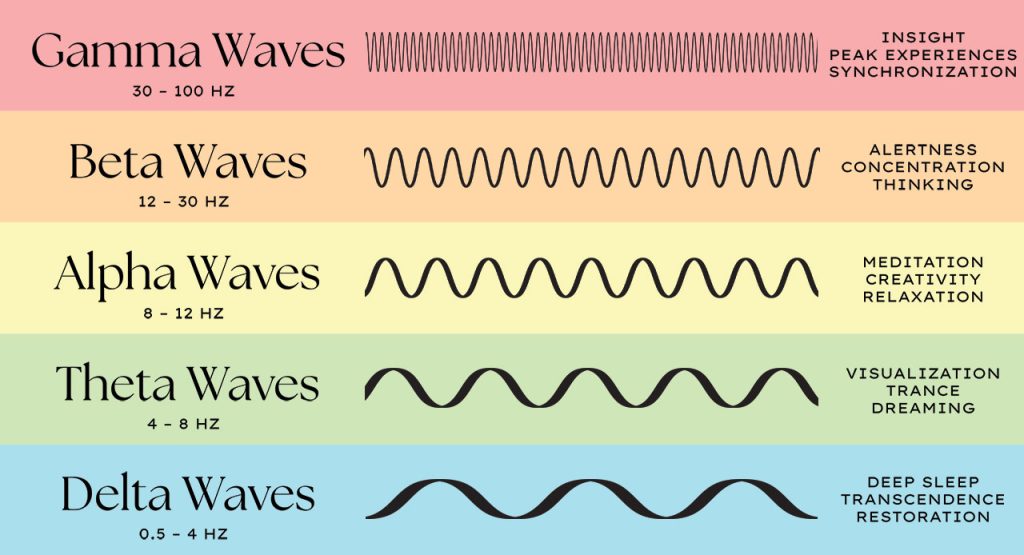
Brainwave Entrainment The Ultimate Guide To Binaural Beats

What are Binaural Beats? Tones produced specifically for the purpose of
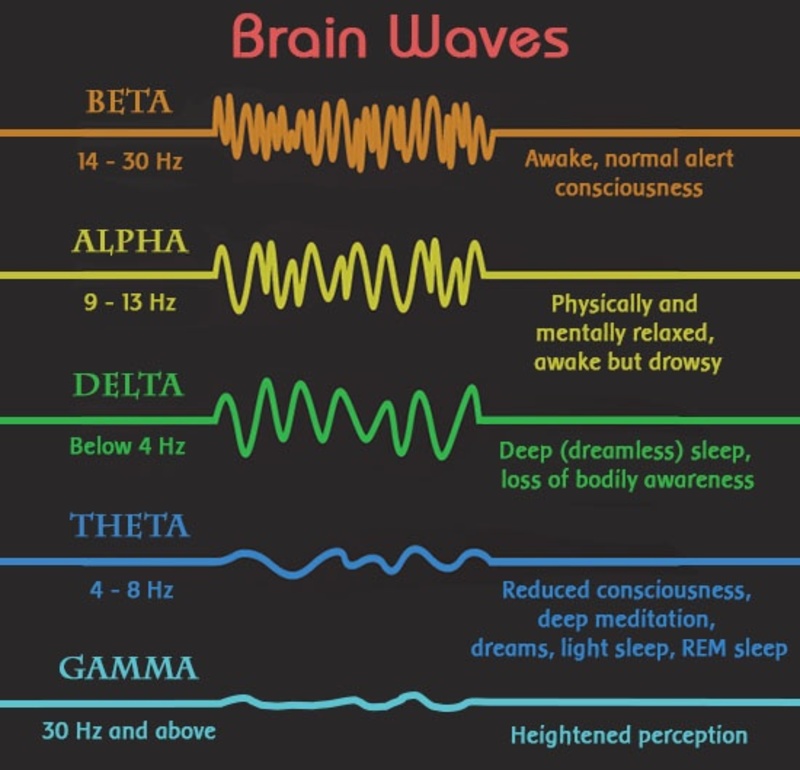
Binaural Beat Frequency Chart
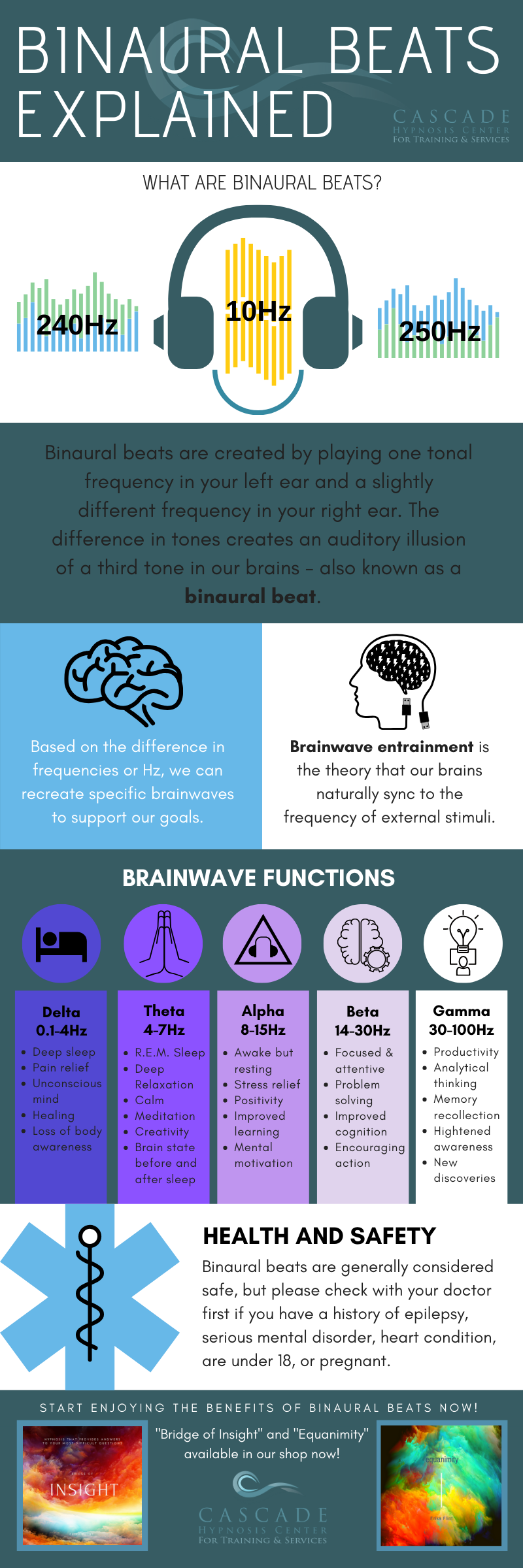
Binaural Beats Frequency Chart

Binaural Beat Frequency Chart

beginners guide to binaural beats infographic Sound Frequencies
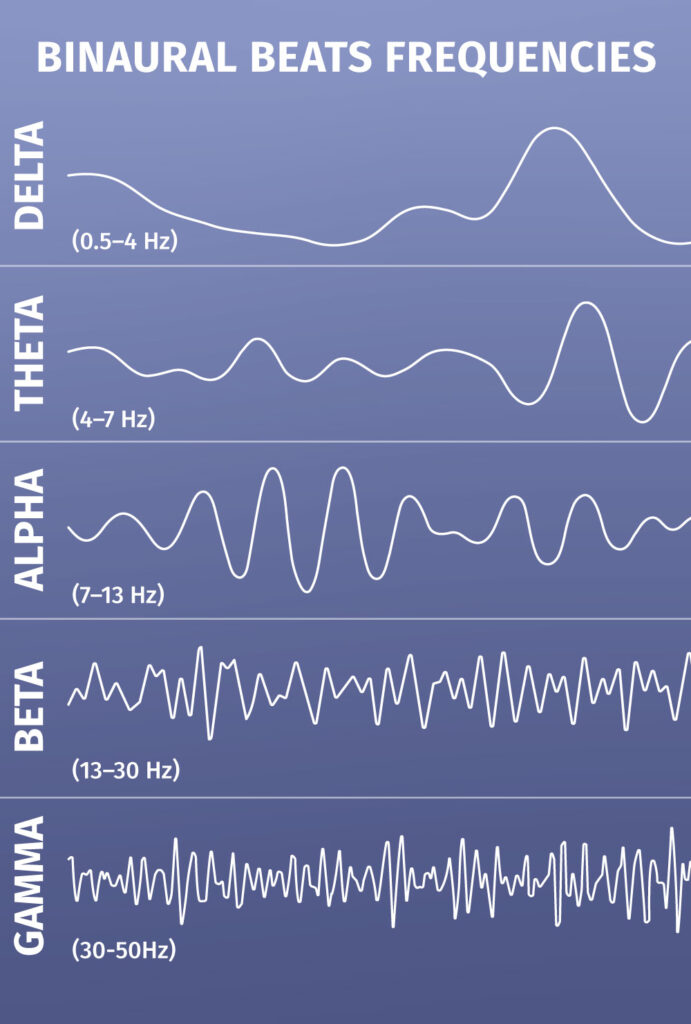
What Are Binaural Beats for Sleep? (2024) Mattress Clarity
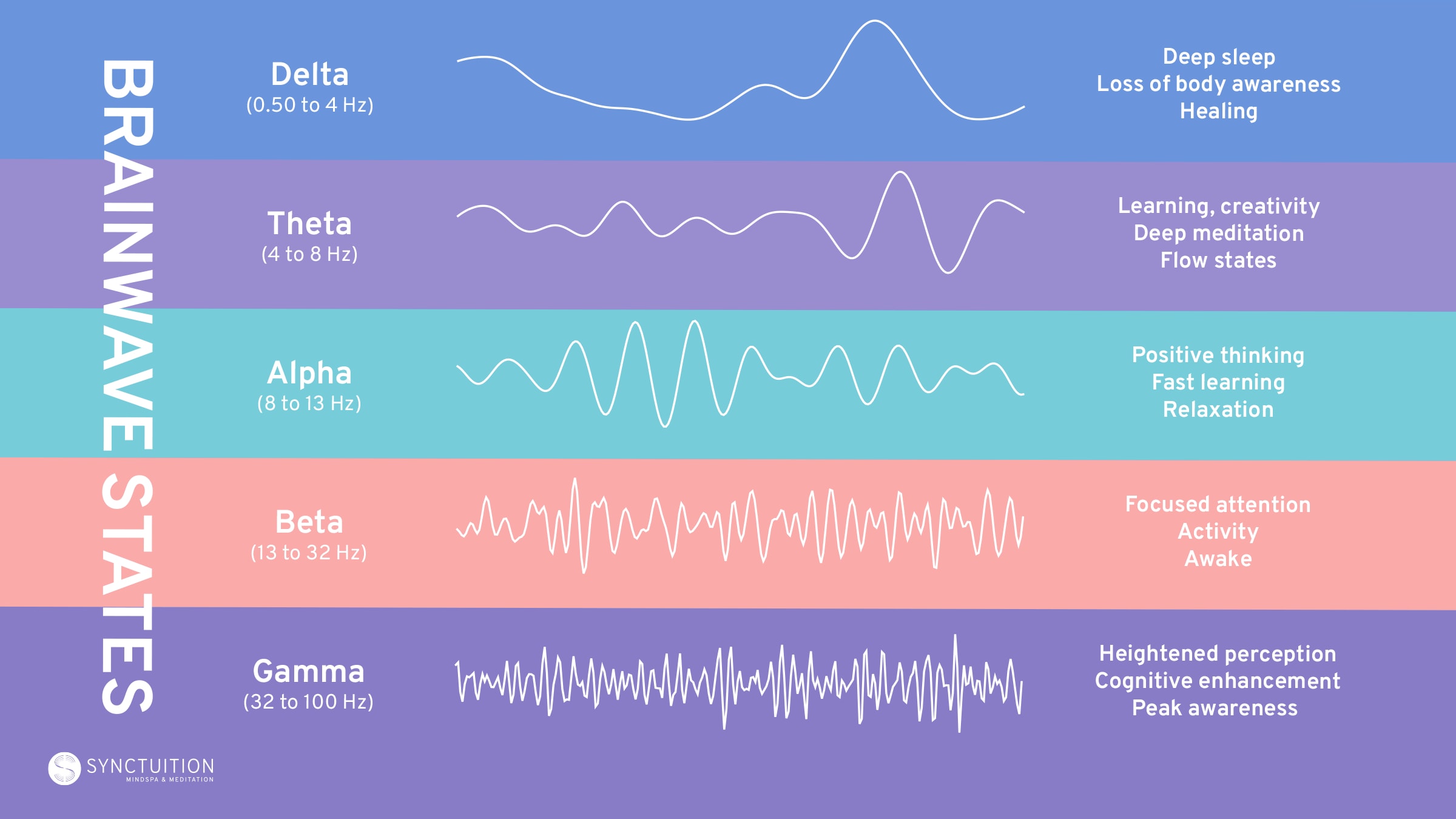
Understanding the Wellness Benefits of Binaural Beats Synctuition

Binaural Beat Frequency Chart
Upon Receiving The Two Different Frequencies To The Left And Right Ears, The Brain Responds By Interpreting The Two Frequencies As One Consistent, Rhythmic Sound Frequency, Known As A Binaural Beat(S).
Web In A Nutshell, A Binaural Beat Is A Frequency That Is Created By The Brain After Hearing Two Different Frequencies (Measured In Hertz), One Of Which Is Sent To The Left Ear And The Other To The Right Ear.
Web Because Equisync ® Sound Technology Guides You Into Different Mind States (And Various States Of Meditation) Via Brainwave Entrainment, It's Helpful To Understand The Different Frequencies And How They Contribute To Your State Of Consciousness.
Web Binaural Beats Are A Form Of Auditory Beat Stimulation In Which Two Tones, Varying Slightly In Frequency, Are Played Into Each Ear, Producing An Auditory Illusion Of A Third Tone.
Related Post: