
Benchmark Fractions Chart
Benchmark Fractions Chart - The most common benchmark fraction is 1 2. The process is comparable to using fraction strips for approximating measurements. One is able to measure or judge against, whenever comparing, measuring, or arranging other fractions. Web browse benchmark fractions chart resources on teachers pay teachers, a marketplace trusted by millions of teachers for original educational resources. It is right in the middle of zero and one. They can be used to order and compare fractions with different denominators and numerators. This calculator has 2 inputs. Web learn for free about math, art, computer programming, economics, physics, chemistry, biology, medicine, finance, history, and more. Recognize that comparisons are valid only when the two fractions refer to the same whole. Web benchmark fractions are common fractions that you can use to judge and compare other fractions. Web the first post highlighted comparing fractions with like numerators or denominators, while the second post introduced a strategy for comparing fractions one unit fraction from a whole. To begin, encourage students to use 1/2 as a benchmark for comparing and reasoning about fractions. It is right in the middle of zero and one. Another useful strategy is to compare fractions to a benchmark of 1/2. Web the benchmark of a 1/2 on a number line is perhaps one of the most important visual tools in building fraction sense. Web the largest equivalent fraction model shown for each fraction is twelve. If so, click the link below to download your free fraction chart as an easy to share and print pdf file. This chart works well for students familiar with equivalent fractions because it visually represents basic benchmark fractions. Use visual models such as number lines or fraction bars to represent fractions and their relationships to benchmarks. Web be sure to grab these free benchmark fractions worksheets and anchor chart! Compare two fractions with different numerators and different denominators, e.g., by creating common denominators or numerators, or by comparing to a benchmark fraction such as 1/2. You’ll find examples on fraction vocabulary, comparing and simplifying, math operations, and mixed numbers below! Web comparing fractions is easy when the numerators or denominators are the same, but what about when they’re different?. As students progress, you can encourage them to use any unit fraction as a benchmark for comparison. Web the benchmark of a 1/2 on a number line is perhaps one of the most important visual tools in building fraction sense. Use visual models such as number lines or fraction bars to represent fractions and their relationships to benchmarks. Web be. Web the benchmark chart can be used to compare two or more fractions, considering the length of the corresponding fractions. Use visual models such as number lines or fraction bars to represent fractions and their relationships to benchmarks. One is able to measure or judge against, whenever comparing, measuring, or arranging other fractions. If so, click the link below to. To begin, encourage students to use 1/2 as a benchmark for comparing and reasoning about fractions. Compare two fractions with different numerators and different denominators, e.g., by creating common denominators or numerators, or by comparing to a benchmark fraction such as 1/2. Understand the concept of benchmark. Web compare each fraction to the benchmarks and determine whether it is less. Web a benchmark fraction is a common fraction that is used as a reference point in comparing and estimating the size or value of other fractions. It also helps students to understand that a fraction could have more than one equivalent fraction. You’ll find examples on fraction vocabulary, comparing and simplifying, math operations, and mixed numbers below! Another useful strategy. They help students study equivalent fractions. It is right in the middle of zero and one. Web be sure to grab these free benchmark fractions worksheets and anchor chart! Recognize that comparisons are valid only when the two fractions refer to the same whole. This chart works well for students familiar with equivalent fractions because it visually represents basic benchmark. I hope this post helps you see why benchmark fractions are a great strategy for comparing and ordering fractions! Web comparing fractions is easy when the numerators or denominators are the same, but what about when they’re different? One is able to measure or judge against, whenever comparing, measuring, or arranging other fractions. The process is comparable to using fraction. You’ll find examples on fraction vocabulary, comparing and simplifying, math operations, and mixed numbers below! Web the largest equivalent fraction model shown for each fraction is twelve. Web be sure to grab these free benchmark fractions worksheets and anchor chart! It also helps students to understand that a fraction could have more than one equivalent fraction. By comparing each fraction. One is able to measure or judge against, whenever comparing, measuring, or arranging other fractions. Recognize that comparisons are valid only when the two fractions refer to the same whole. It is right in the middle of zero and one. If so, click the link below to download your free fraction chart as an easy to share and print pdf. To begin, encourage students to use 1/2 as a benchmark for comparing and reasoning about fractions. Web benchmark fractions are common fractions that you can use to judge and compare other fractions. Web be sure to grab these free benchmark fractions worksheets and anchor chart! Web a benchmark fraction is a common fraction that is used as a reference point. Web benchmark fractions are common fractions that you can use to judge and compare other fractions. This calculator has 2 inputs. Web compare each fraction to the benchmarks and determine whether it is less than, equal to, or greater than the benchmark. 4.9 (141 ratings) 41,026 downloads. I hope this post helps you see why benchmark fractions are a great strategy for comparing and ordering fractions! It also helps students to understand that a fraction could have more than one equivalent fraction. Web browse benchmark fractions chart resources on teachers pay teachers, a marketplace trusted by millions of teachers for original educational resources. You’ll find examples on fraction vocabulary, comparing and simplifying, math operations, and mixed numbers below! If so, click the link below to download your free fraction chart as an easy to share and print pdf file. In mathematics, benchmark fractions may be described as common fractions. With the aid of either of a number line or pie chart (or both!), we suggest a visual aid with a fraction question so that students may connect abstract and concrete reasoning. Web these fraction anchor charts can help support your lesson and reinforce student understanding. Web the largest equivalent fraction model shown for each fraction is twelve. The most common benchmark fraction is 1 2. Web a benchmark fraction is a common fraction that is used as a reference point in comparing and estimating the size or value of other fractions. Web a benchmark fraction chart is a simple visual that allows students to see where a fraction lies on a number line when compared to a whole.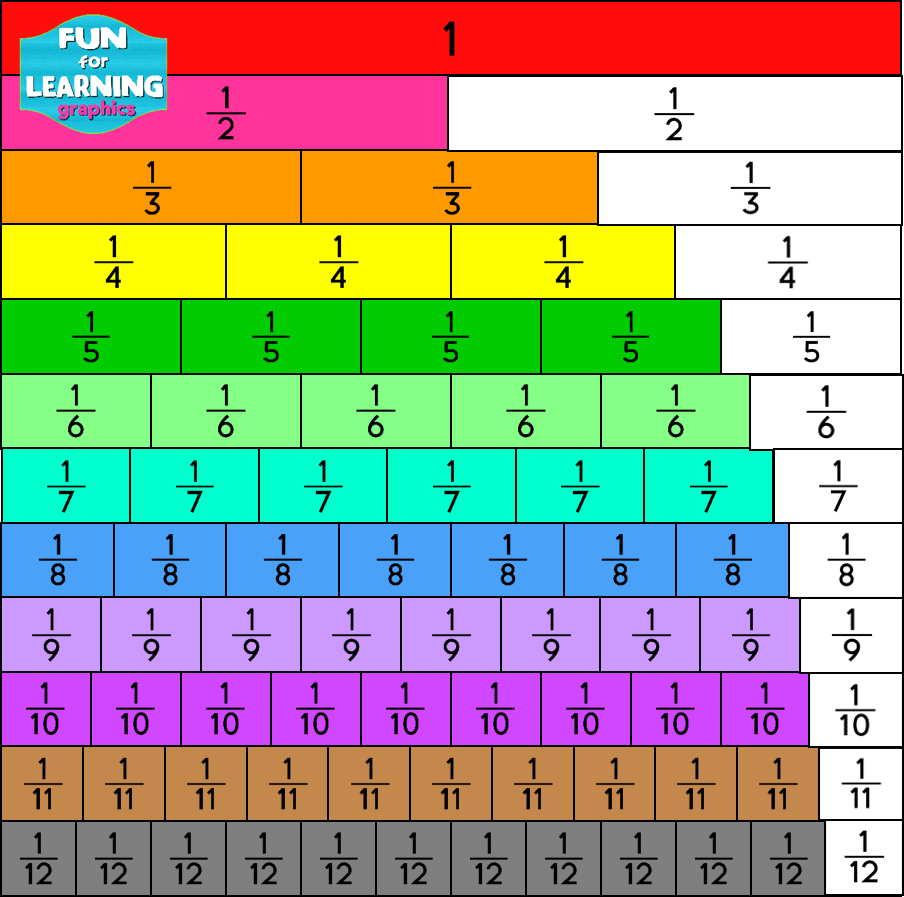
The Routty Math Teacher Thursday Tool School Understanding Fractions

Using Benchmark Fractions to Compare Fractions Alyssa Teaches
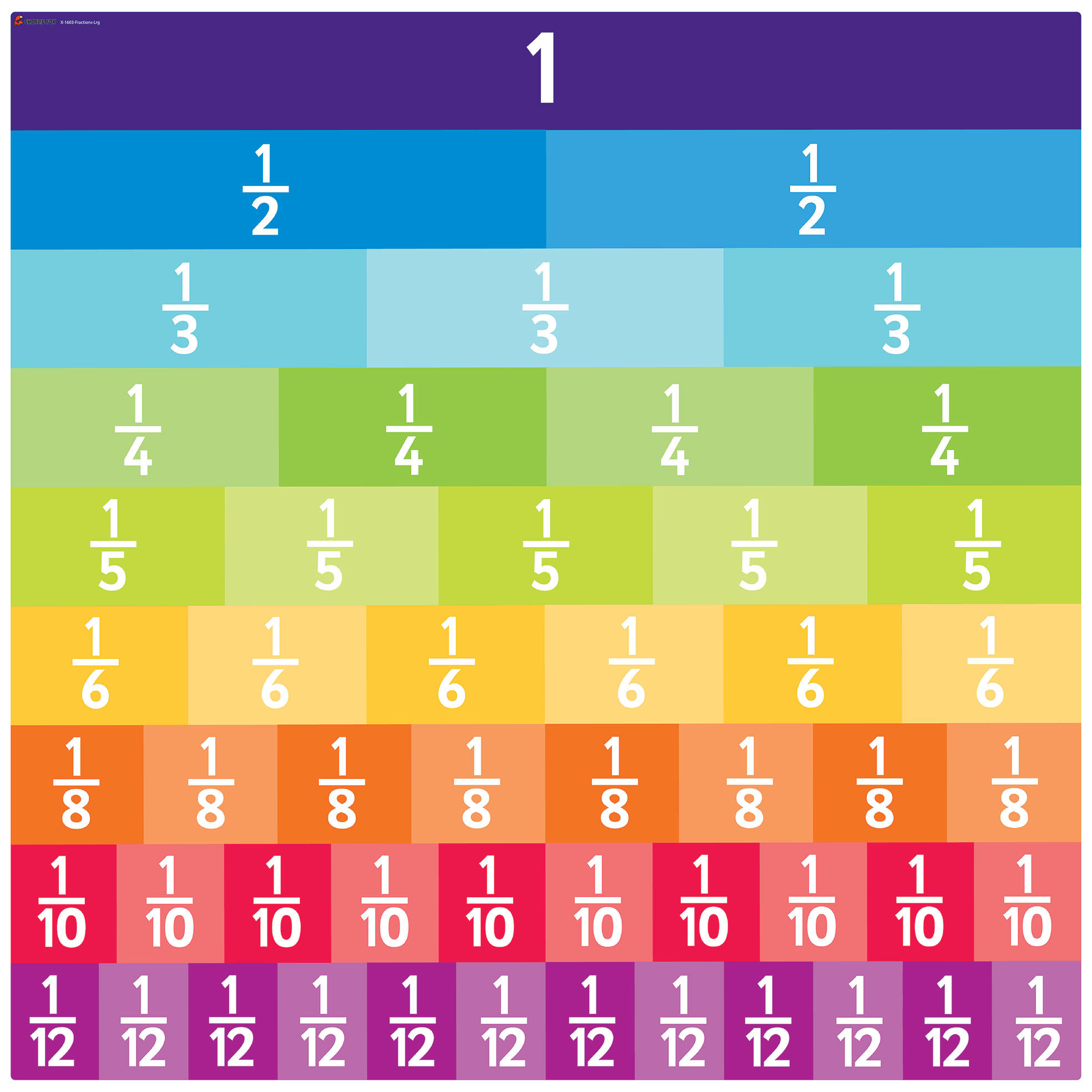
Big Fractions Wall Maths Signs for Schools Charlie Fox Signs
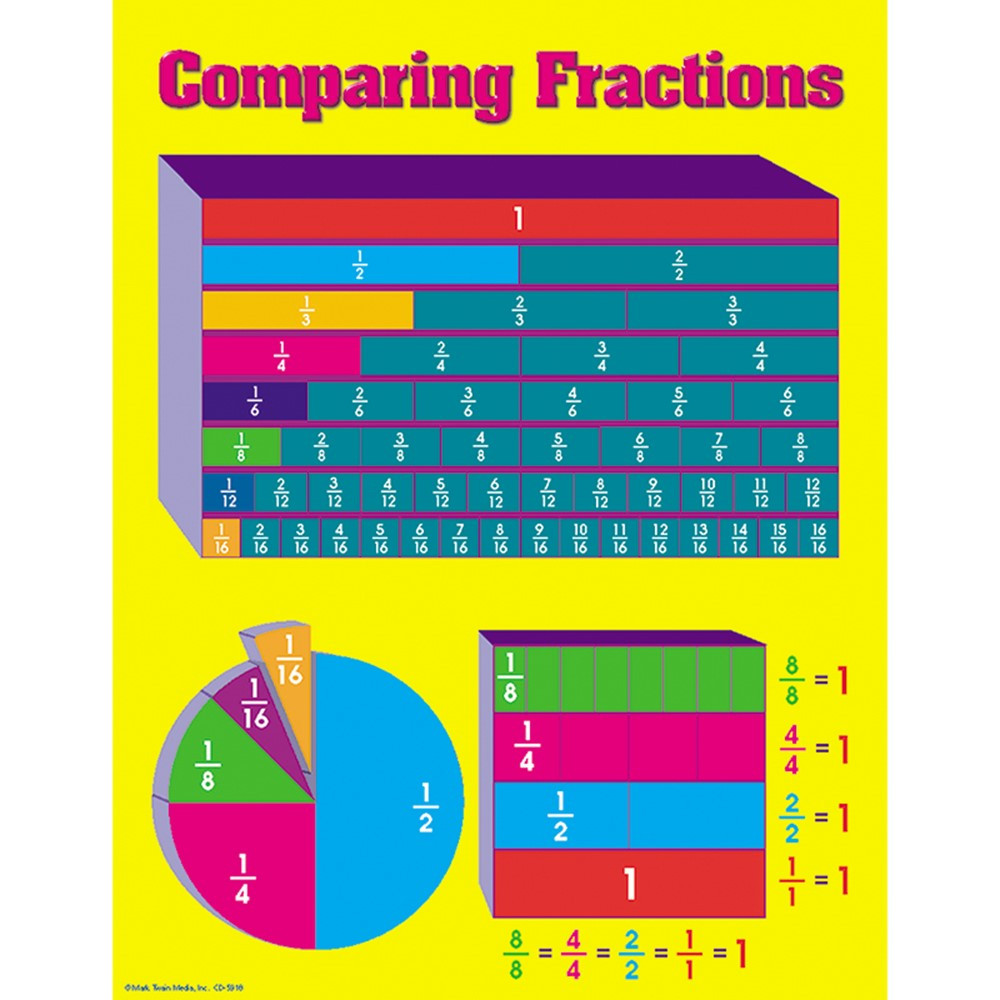
Comparing Fractions Chart CD5918 Carson Dellosa Education Math

Benchmark fraction anchor chart Fractions Anchor Chart, Anchor Charts

Benchmark Fractions Anchor Chart

Video Anchor Chart Benchmark Fractions Minds in Bloom Unlimited

Benchmark Fractions Poster and Worksheets Benchmark fractions
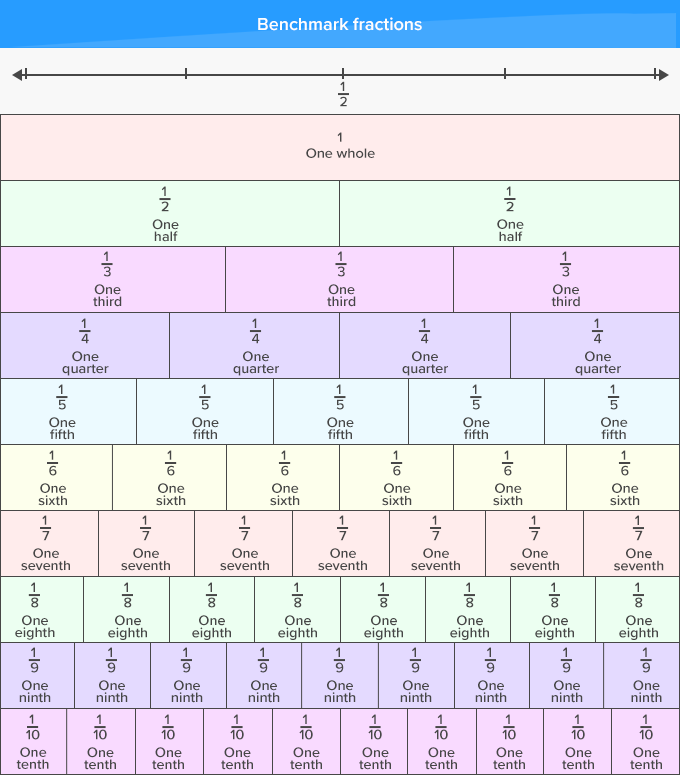
What is Benchmark Fractions? Definition, Facts & Example

Graphing Fraction Benchmarks Math Coach's Corner
Web Benchmark Fractions Are Especially Useful When The Fractions Have Different Denominators.
Web Comparing Fractions Is Easy When The Numerators Or Denominators Are The Same, But What About When They’re Different?
Web The First Post Highlighted Comparing Fractions With Like Numerators Or Denominators, While The Second Post Introduced A Strategy For Comparing Fractions One Unit Fraction From A Whole.
By Comparing Each Fraction To A Common Benchmark, We Can Easily Determine Which Fraction Is Larger Or Smaller.
Related Post: