
Bed Bug Temperature Chart
Bed Bug Temperature Chart - Web wondering what temperature kills bed bugs instantly? That doesn’t mean that you can’t kill bed bugs in your home freezer though. We discuss differences in exposure methodologies, potential reasons why bed bugs can withstand higher temperatures and future directions for research. Web adult bed bugs exposed to 45 °c had a ltime 99 of 94.8 min, while eggs survived 7 h at 45 °c and only 71.5 min at 48 °c. Web the following table considers a variety of studies from entomologists on thermal inactivation, or “kill temperatures” for bed bug adults, nymphs, and eggs. You just need to take your time. At 0°f, the temperature most home freezers are kept at, bed bugs will die in around four days. Before displaying the bed bug temperature chart, you must note that exposing the bed bugs to direct temperature change (heat) is what kills them and makes the treatment smoother. To kill bed bugs with heat, the room must be even hotter to ensure sustained heat reaches the bugs no matter where they are hiding. Please note that these are direct exposure temperatures. Web the following table considers a variety of studies from entomologists on thermal inactivation, or “kill temperatures” for bed bug adults, nymphs, and eggs. To kill bed bugs with heat, the room must be even hotter to ensure sustained heat reaches the bugs no matter where they are hiding. Below is a chart comprising various recorded temperatures by researchers on this same subject topic: You just need to take your time. Please note that these are direct exposure temperatures. Web bed bugs can survive and remain active at temperatures as low as 7°c (46°f), but they die when their body temperatures reaches 45°c (113°f). Web for effective elimination of bed bugs, you need a surface temperature of at least 160°f ( 71.11°c), to a maximum of 180°f (82.22°c). You can kill bed bugs using either extreme heat or extreme cold. Web what is the bed bug temperature chart? Web adult bed bugs exposed to 45 °c had a ltime 99 of 94.8 min, while eggs survived 7 h at 45 °c and only 71.5 min at 48 °c. We discuss differences in exposure methodologies, potential reasons why bed bugs can withstand higher temperatures and future directions for research. To kill bed bugs with heat, the room must be even hotter to ensure sustained heat reaches the bugs no matter where they are hiding. That doesn’t mean that you can’t kill bed bugs in your home freezer though. Please. We discuss differences in exposure methodologies, potential reasons why bed bugs can withstand higher temperatures and future directions for research. Web wondering what temperature kills bed bugs instantly? That doesn’t mean that you can’t kill bed bugs in your home freezer though. Please note that these are direct exposure temperatures. You just need to take your time. Web adult bed bugs exposed to 45 °c had a ltime 99 of 94.8 min, while eggs survived 7 h at 45 °c and only 71.5 min at 48 °c. Before displaying the bed bug temperature chart, you must note that exposing the bed bugs to direct temperature change (heat) is what kills them and makes the treatment smoother. Web. You just need to take your time. Web the following table considers a variety of studies from entomologists on thermal inactivation, or “kill temperatures” for bed bug adults, nymphs, and eggs. At 0°f, the temperature most home freezers are kept at, bed bugs will die in around four days. You can kill bed bugs using either extreme heat or extreme. Web the following table considers a variety of studies from entomologists on thermal inactivation, or “kill temperatures” for bed bug adults, nymphs, and eggs. Please note that these are direct exposure temperatures. You can kill bed bugs using either extreme heat or extreme cold. You just need to take your time. Web bed bugs can survive and remain active at. You can kill bed bugs using either extreme heat or extreme cold. Before displaying the bed bug temperature chart, you must note that exposing the bed bugs to direct temperature change (heat) is what kills them and makes the treatment smoother. Web adult bed bugs exposed to 45 °c had a ltime 99 of 94.8 min, while eggs survived 7. Below is a chart comprising various recorded temperatures by researchers on this same subject topic: Before displaying the bed bug temperature chart, you must note that exposing the bed bugs to direct temperature change (heat) is what kills them and makes the treatment smoother. You can kill bed bugs using either extreme heat or extreme cold. Web the following table. That doesn’t mean that you can’t kill bed bugs in your home freezer though. Web for effective elimination of bed bugs, you need a surface temperature of at least 160°f ( 71.11°c), to a maximum of 180°f (82.22°c). At 0°f, the temperature most home freezers are kept at, bed bugs will die in around four days. Web wondering what temperature. Web the following table considers a variety of studies from entomologists on thermal inactivation, or “kill temperatures” for bed bug adults, nymphs, and eggs. Web bed bugs can survive and remain active at temperatures as low as 7°c (46°f), but they die when their body temperatures reaches 45°c (113°f). Web for effective elimination of bed bugs, you need a surface. Please note that these are direct exposure temperatures. Web wondering what temperature kills bed bugs instantly? Web the following table considers a variety of studies from entomologists on thermal inactivation, or “kill temperatures” for bed bug adults, nymphs, and eggs. To kill bed bugs with heat, the room must be even hotter to ensure sustained heat reaches the bugs no. At 0°f, the temperature most home freezers are kept at, bed bugs will die in around four days. Web wondering what temperature kills bed bugs instantly? Web adult bed bugs exposed to 45 °c had a ltime 99 of 94.8 min, while eggs survived 7 h at 45 °c and only 71.5 min at 48 °c. Before displaying the bed bug temperature chart, you must note that exposing the bed bugs to direct temperature change (heat) is what kills them and makes the treatment smoother. Web the following table considers a variety of studies from entomologists on thermal inactivation, or “kill temperatures” for bed bug adults, nymphs, and eggs. Web bed bugs can survive and remain active at temperatures as low as 7°c (46°f), but they die when their body temperatures reaches 45°c (113°f). You just need to take your time. Below is a chart comprising various recorded temperatures by researchers on this same subject topic: That doesn’t mean that you can’t kill bed bugs in your home freezer though. Web for effective elimination of bed bugs, you need a surface temperature of at least 160°f ( 71.11°c), to a maximum of 180°f (82.22°c). Web what is the bed bug temperature chart? To kill bed bugs with heat, the room must be even hotter to ensure sustained heat reaches the bugs no matter where they are hiding.
Temperature To Kill Bed Bugs Cool Product Assessments, Prices, and

Bed Bugs Convectex Bed Bug Heat Equipment Convectex Bed Bug Heat
What Temperature Kills Bed Bugs? Essential Temperature Chart Pest

PPT Eonomical Heat Treatment for Bedbugs PowerPoint Presentation

Bed Bug Temperature Chart Printable Templates Free
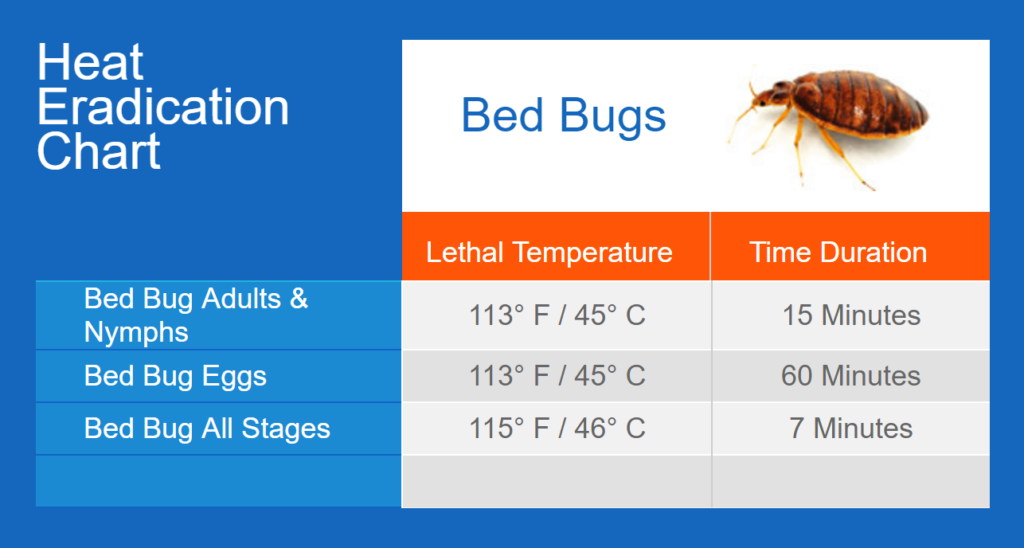
Temperature To Kill Bed Bug Eggs PestPhobia
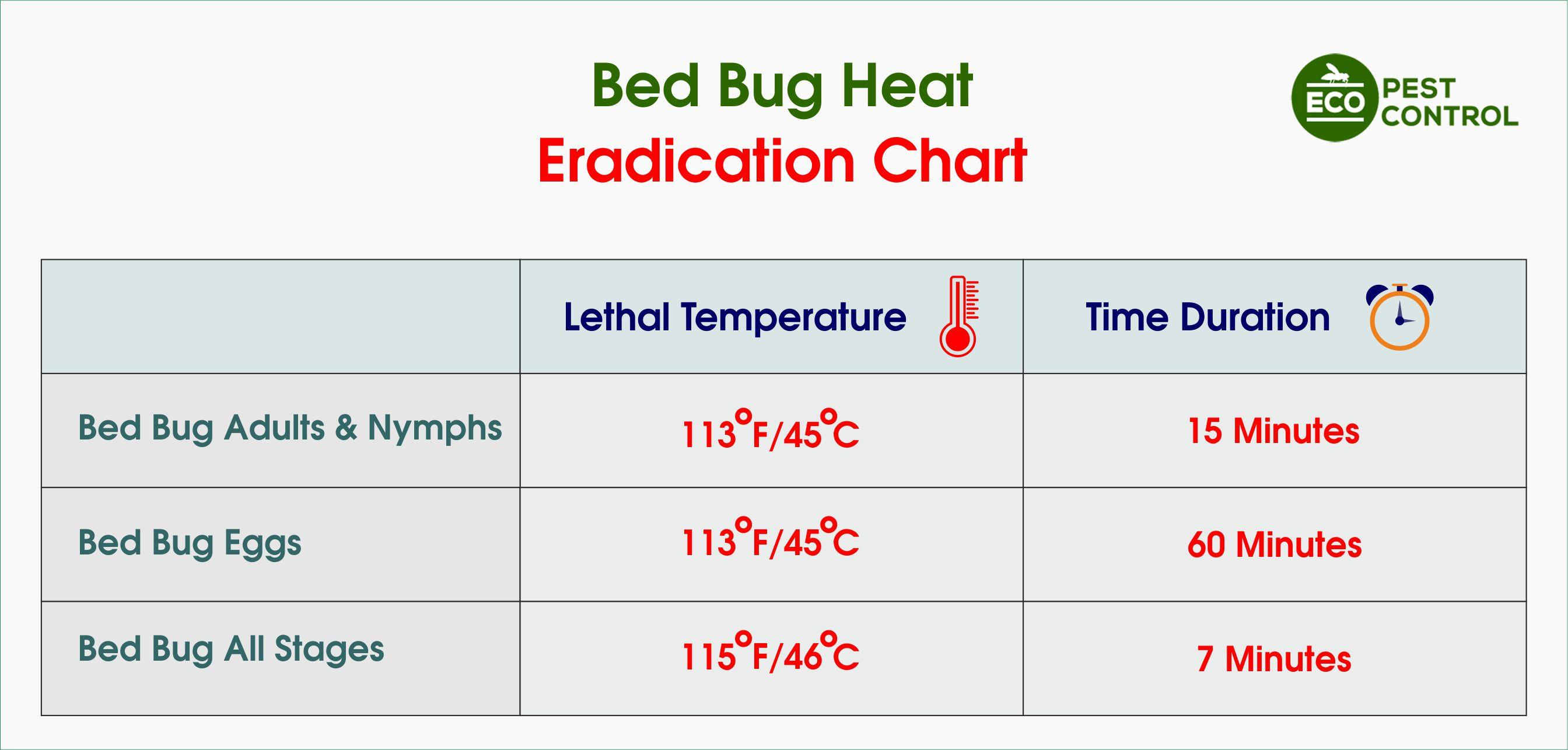
Bed Bug Temperature Chart
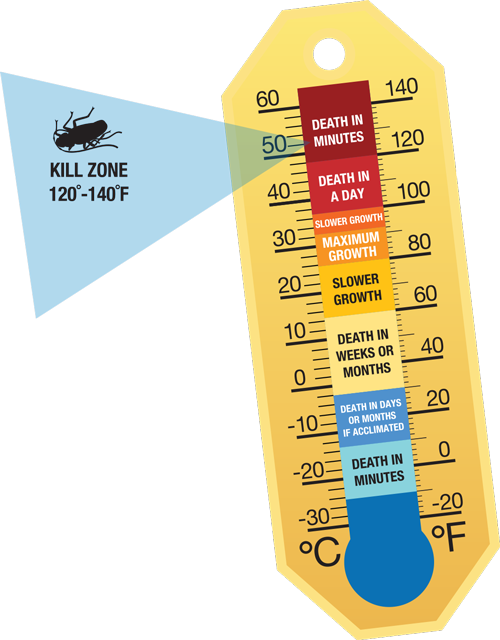
Bed Bug Programs Eco Systems Pest Managament
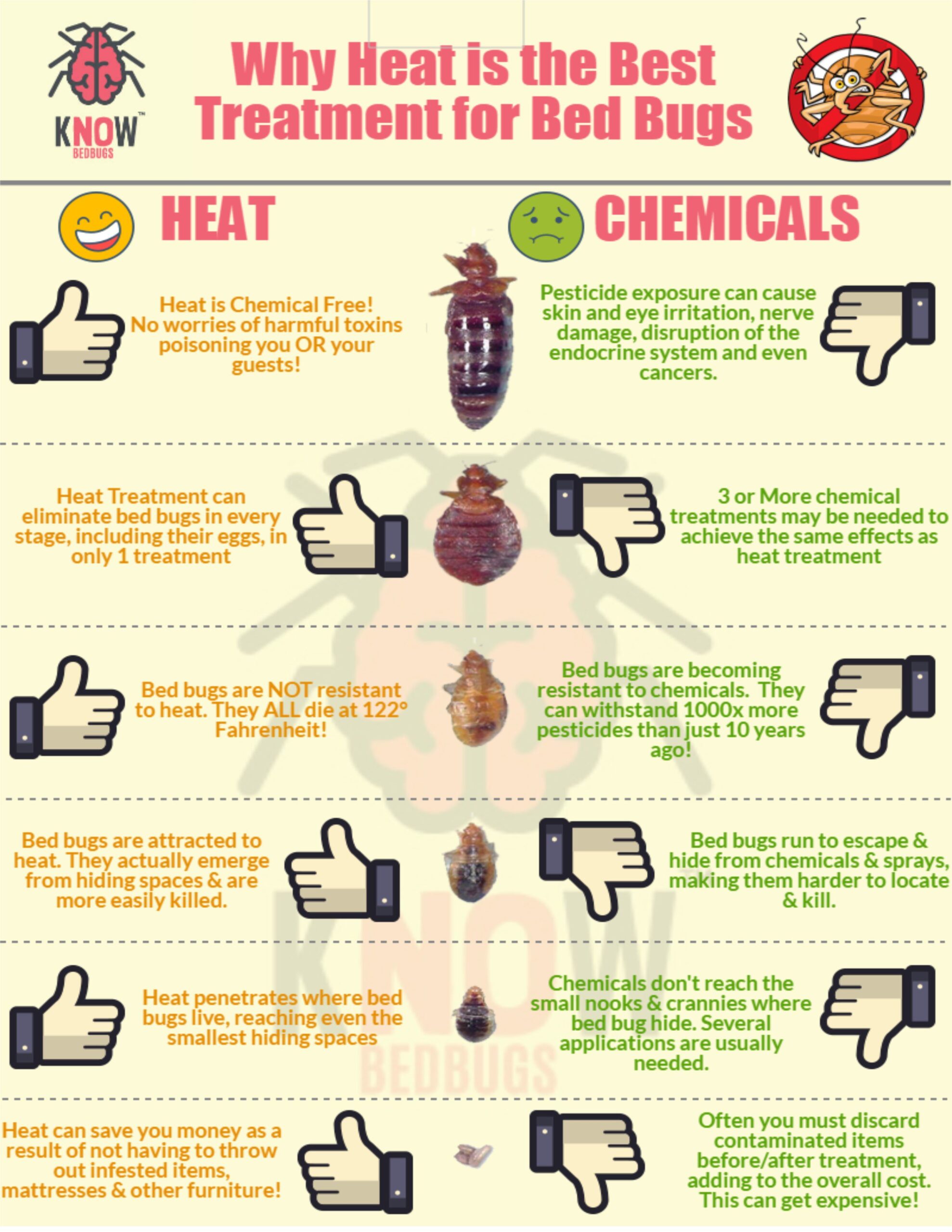
Bed Bug Temperature Chart

Bed Bug Temperature Chart
You Can Kill Bed Bugs Using Either Extreme Heat Or Extreme Cold.
Please Note That These Are Direct Exposure Temperatures.
We Discuss Differences In Exposure Methodologies, Potential Reasons Why Bed Bugs Can Withstand Higher Temperatures And Future Directions For Research.
Related Post: